
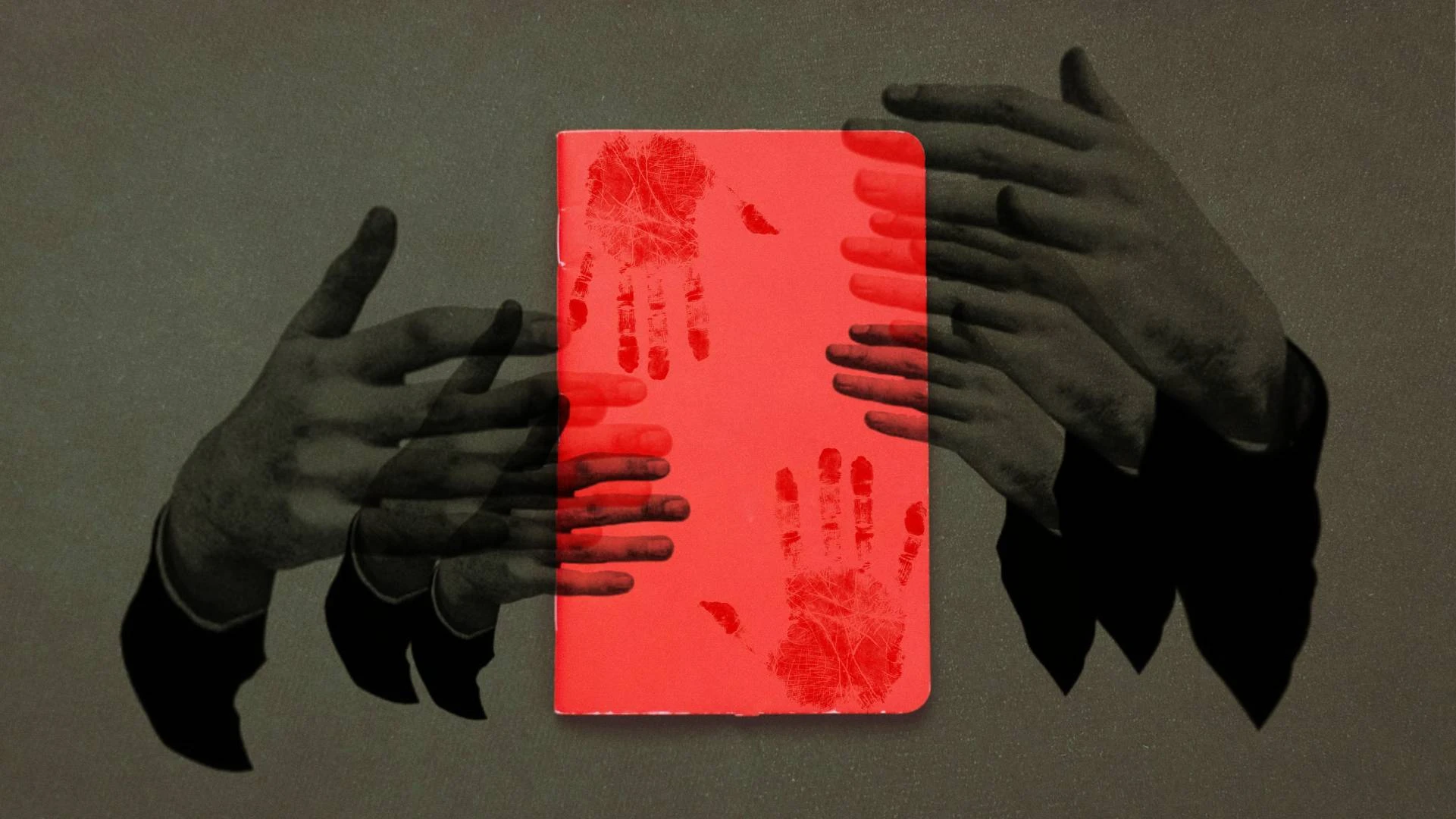
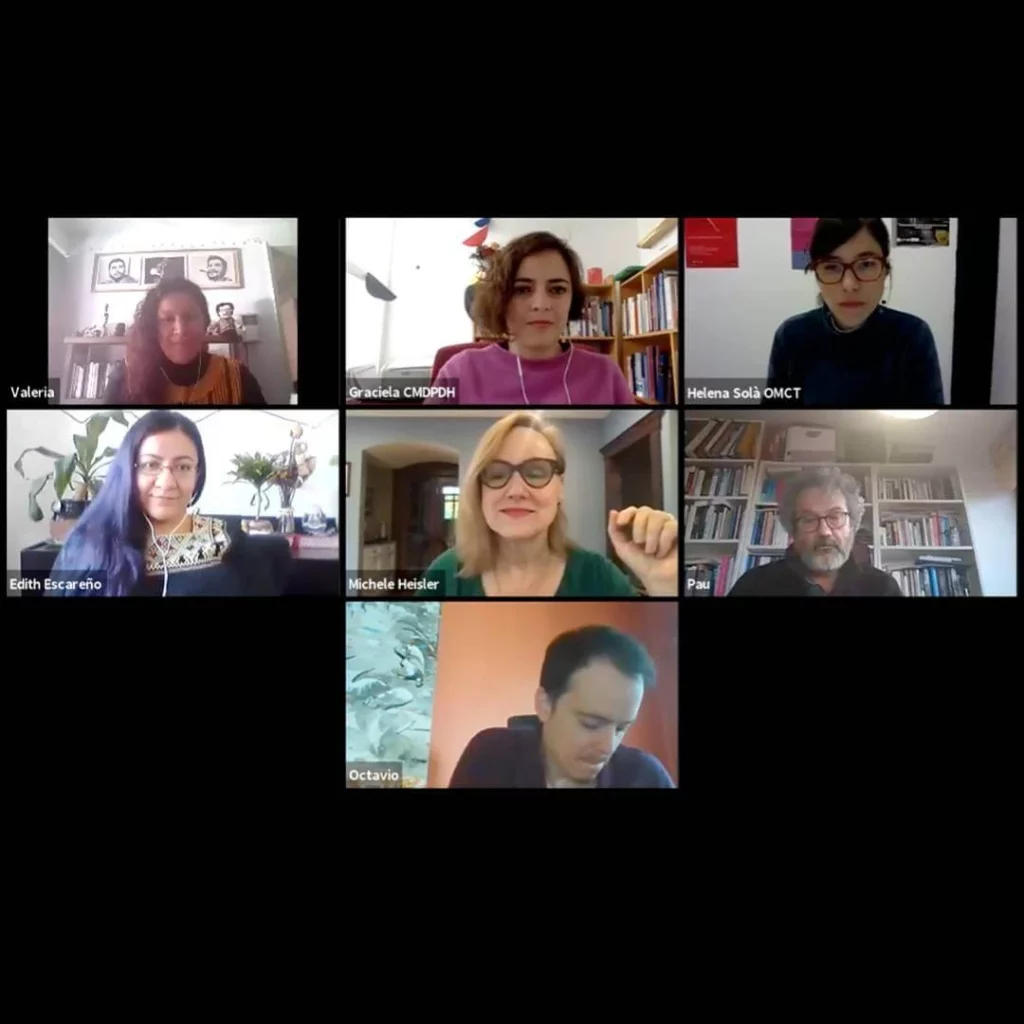
Over the past 20 years, numerous reports have been issued in Mexico warning of the incomplete and inadequate use of the Istanbul Protocol by the agencies responsible for proving torture crimes. In response to this situation, in 2019, legal, medical, and psychological professionals joined together to audit the work of state forensic experts, under the name Grupo Independientes (Independent Group).
The Sira Center was also part of this team of experts.
Various human rights organizations have documented that torture is a widespread practice in Mexico, employed with impunity by the country's security forces, especially in the context of criminal investigations. In 2003, Mexico became the first country to develop a mechanism for documenting and investigating potential acts of torture based on the Istanbul Protocol (IP), the UN's reference manual for proving such practices. They called it a medico-psychological report.
For years, the Istanbul Protocol (IP) has served to train health professionals, lawyers, psychologists, and human rights defenders in the legal and clinical investigation and documentation of torture and other forms of ill-treatment. However, in some cases, far from serving as a tool for accessing justice, the IP has been used as an instrument to conceal and perpetuate these practices.
Over the past 20 years, numerous reports and recommendations have been issued in Mexico by both national and international organizations, such as the United Nations Subcommittee on Prevention of Torture and Physicians for Human Rights. All of these referred to the incomplete and inadequate use of the Specialized Procedure by personnel of the former Attorney General's Office (PGR), now the Attorney General's Office (FGR), with particular emphasis on the lack of multidisciplinary teams, technical rigor, ethics, and political will and commitment.
Faced with this situation, a group of experts specializing in the Istanbul Protocol, comprised of legal, medical, and psychological professionals, launched an investigation in 2019 to audit the work of state forensic experts, under the name "Independent Group." Members of the Sira Center were also part of this team of experts.
- Fifty-four medical-psychological reports prepared by the PGR/FGR were analyzed.
- The expert reports were made on 10 women and 44 men who claimed to have suffered torture at the hands of state agents in houses, warehouses, their private residences, Federal Police facilities or the Headquarters of the Secretariat of the Navy, among others.
- The most frequent purpose of torture allegations was to elicit self-incrimination in cases of kidnapping and homicide, but also to obtain information or for political repression.
- The analysis was based on an instrument that analyzed elements of malpractice and deontological malpractice.
An instrument for concealing torture
This pattern of negligence appears in the majority of evaluations, regardless of the era, the professional involved, or the agency (PGR/FGR) in which they were conducted. This not only demonstrates the extent and persistence of these practices but also confirms the existence of an institutionalized policy of cover-up. The psychological evaluation (PE) has been used in Mexico for years by national institutions as a tool to conceal torture. Under the seemingly scientific guise of the medical-psychological report, serious human rights violations were covered up, lending credibility not only to illegally obtained evidence but also denying victims their right to a fair trial, thus multiplying the violations.
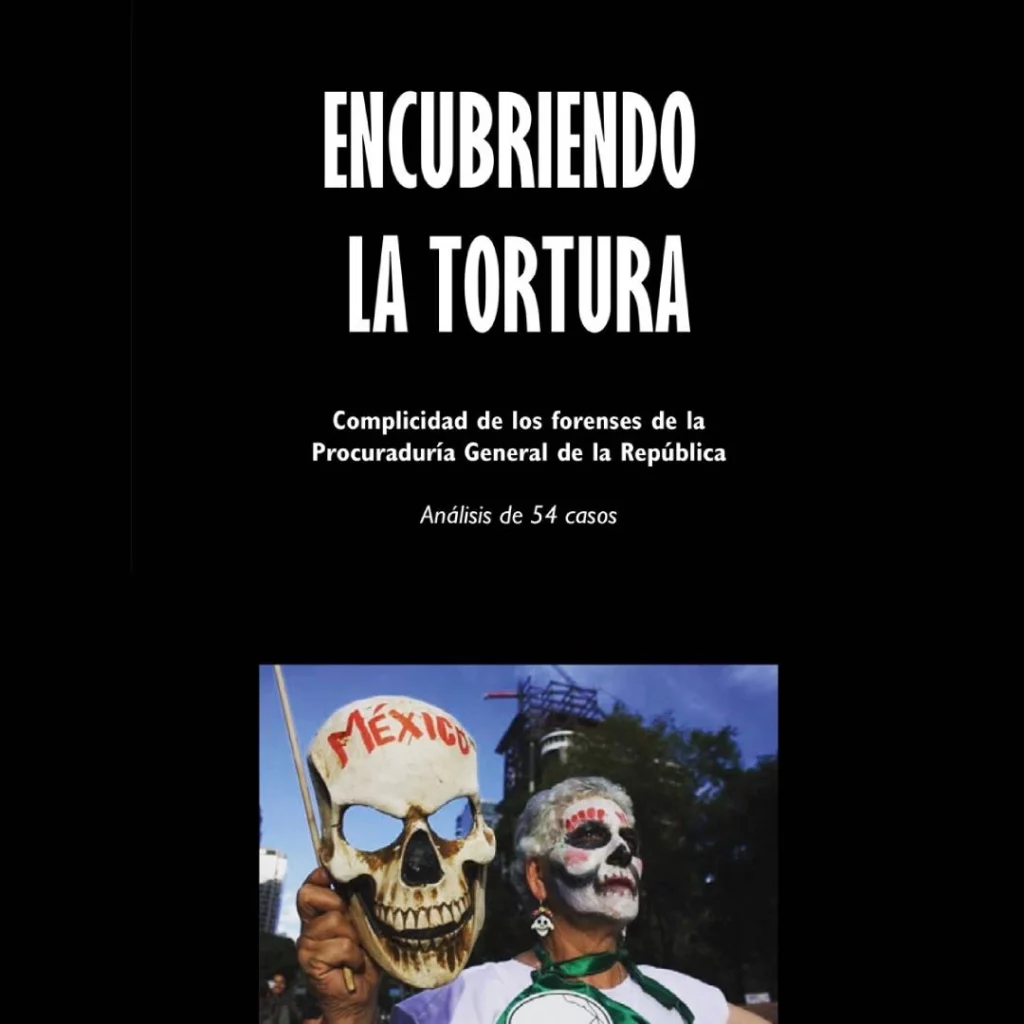
The Independent Group concluded in its report “Covering Up Torture” at the end of 2020 that it was urgent to hold accountable all professionals involved in the perpetuation of these acts of negligence, both individually and within the very structure that protects them. Establishing an independent mechanism to evaluate state forensic experts; urging professionals to report any incidents that prevent them from properly investigating torture; and analyzing the criminal liability of those involved and the consequences of their malpractice on the victims are some of the recommendations we made in the investigation.
Services
We document human rights violations and support their victims
We offer therapeutic care to people affected by political violence and prepare expert reports as an instrument of defense and denunciation.
Trajectory #4
Nicaragua before the Inter-American Court
The Sira Center acts as an expert witness for the indigenous and Afro-descendant communities that are suing the State of Nicaragua before the Inter-American Court of Human Rights.