

In December 2022, Pau Pérez Sales, clinical director of the Sira Center and editor-in-chief of the Torture Journal, presented a special issue of the journal to the United Nations Working Group on Enforced or Involuntary Disappearances. The issue focused on considering enforced disappearance as torture. Also participating in the session were Bernard Duhaime, professor of Law and Political Science at the University of Quebec in Montreal, and Helena Solà Martín, senior legal advisor at the World Organisation Against Torture (OMCT).
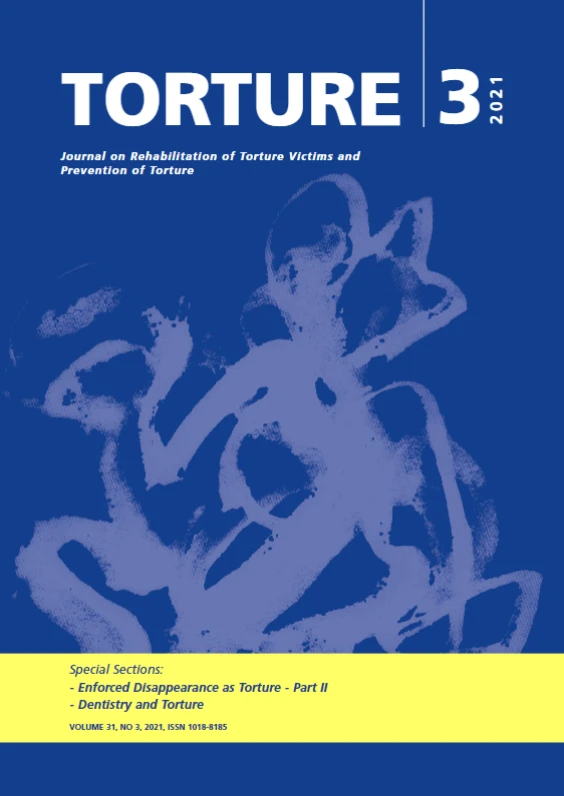
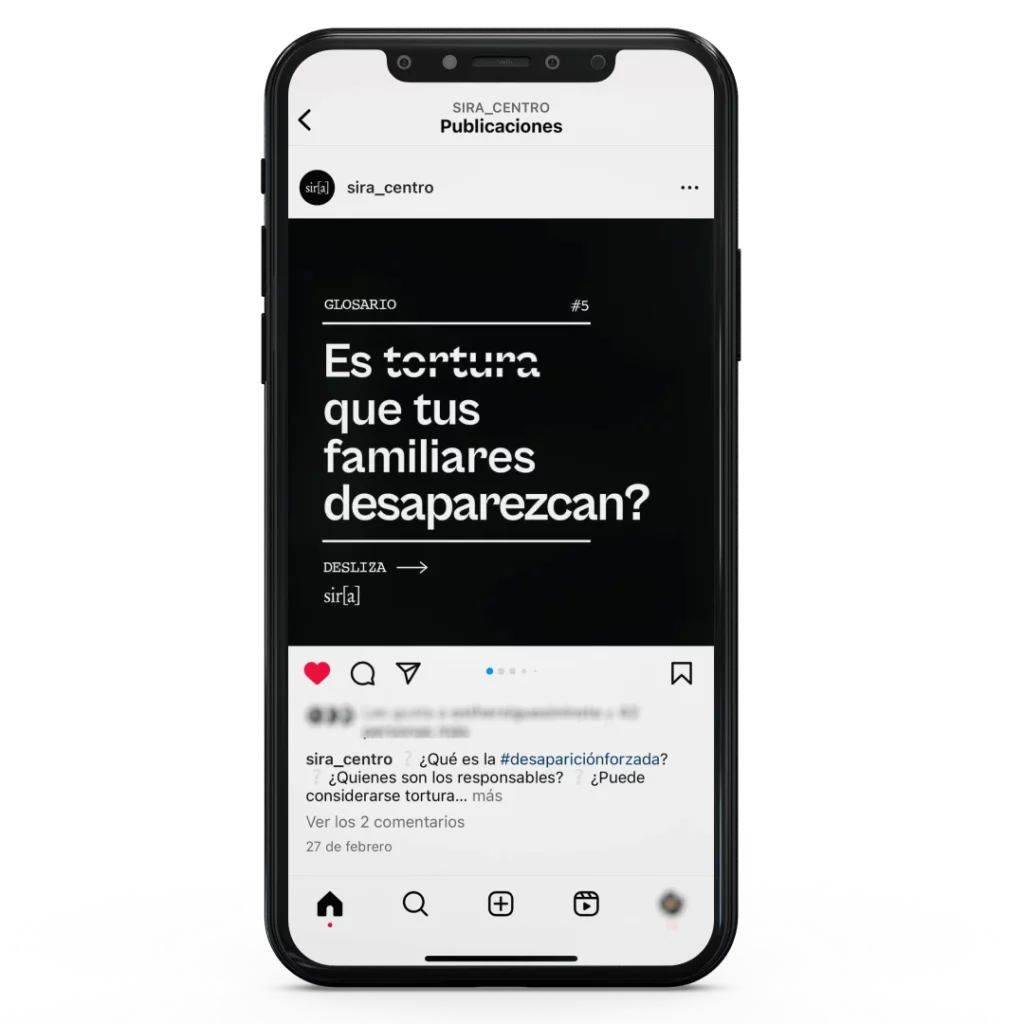
This research seeks to highlight the intense suffering of the families of those forcibly disappeared and tortured in different types of conflict, historical periods, and cultural contexts. At the same time, this issue explores how the medical and psychological impacts evolve across different generations of family members. To this end, it examines cases from Chile, Colombia, El Salvador, Mexico, Argentina, Algeria, and India, among others.
In the midst of this process, the MNPCT concluded that the forensic protocols in place at the time represented a major obstacle to its purpose. It was urgent to update the questions used to establish torture, given that they were based on criminal legislation from 1940. Local and international specialists identified a lack of awareness of torture as a crime and numerous difficulties in investigating it.
What do we understand by enforced disappearance?
Enforced disappearance is a human rights violation that involves two types of victims: the direct victims, who suffer the violence of kidnapping, the anguish of being held in an unknown place and, in many cases, physical and psychological torture; and the indirect victims, the family members who bear the burden of not knowing what happened to their loved one, the reasons for their disappearance or if they are still alive.
On numerous occasions, the level of anguish and suffering experienced by families has been deemed by the medical, psychological, and legal communities to be severe enough to be equated with torture. However, these families are rarely recognized and treated as victims by states and criminal justice systems.
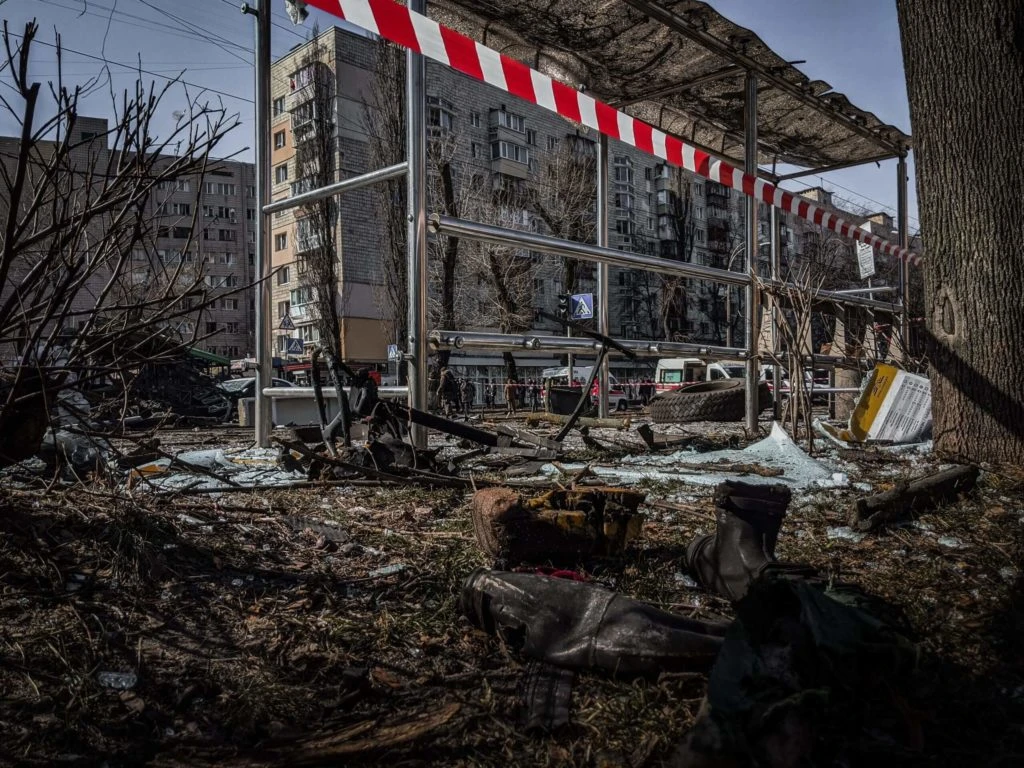
Together with IRCT, we are strengthening our support for people displaced by the war in Ukraine.
The International Rehabilitation Council for Torture Victims (IRCT) partners with the Sira Center to…
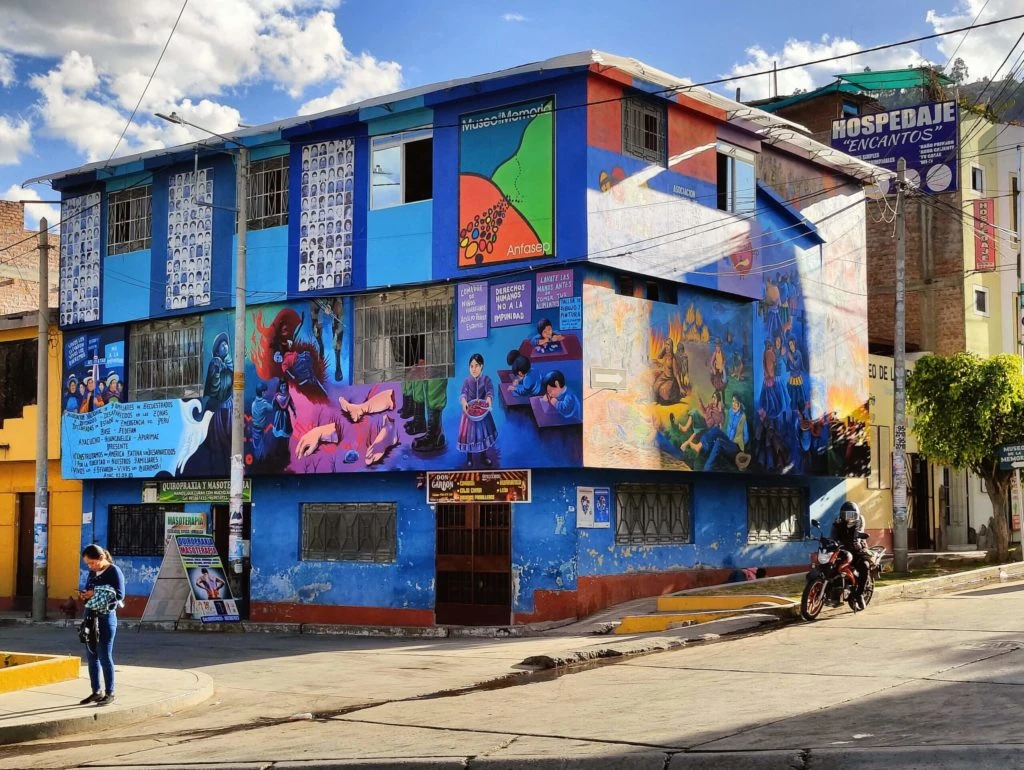
Enforced disappearance: the permanent suffering of families is torture
A few weeks ago, I conducted a workshop with the courageous women of ANFASEP, the National Association of Relatives of…
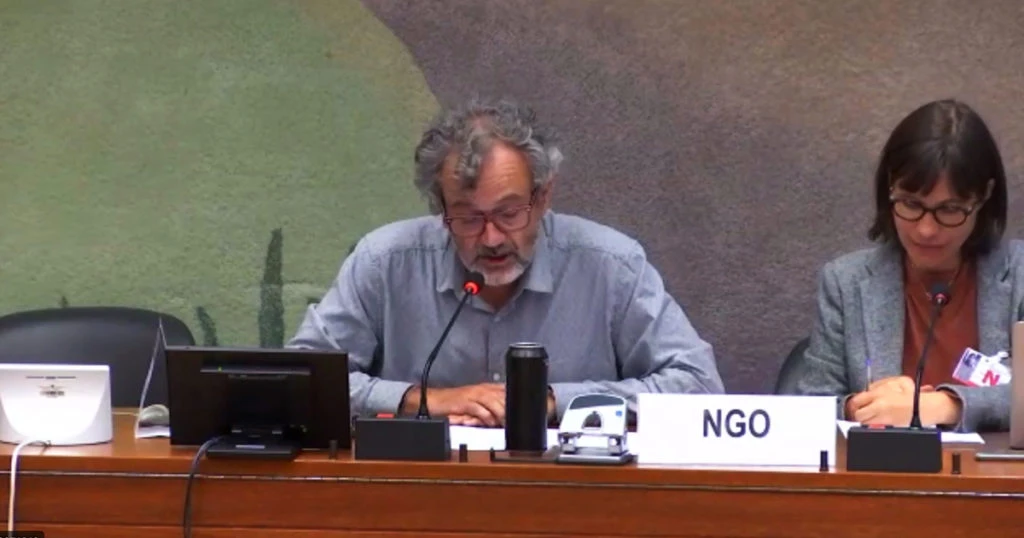
Pau Pérez stresses before the UN that the permanent suffering caused to families by enforced disappearance is torture
Together with Helena Solà Martín, senior legal policy advisor at the World Organization Against Torture (OMCT) and Bernand…
Why is enforced disappearance torture?
Families of victims of enforced disappearance are systematically harassed in many countries. Their search for the truth exposes them to great danger, and they may even suffer the same fate. In countries like Mexico, with more than 100,000 disappearances Recorded since 1964, the massive scale of enforced disappearances affects millions of family members. Many of these families, who march alongside various organizations demanding justice, are subjected to threats, intimidation, murder, and disappearances.
The research presented to the UN shows that for the families it is impossible to recover any form of normality, as they carry with them a permanent damage that is even passed on to future generations.
Any process of grief and mourning is simply impossible.
Truth and recognition
The organizations involved wished to emphasize before the United Nations the need to recognize the families of enforced disappearances as victims of torture, given the severe psychological suffering inflicted upon them. Therefore, they recommended that the Working Group encourage States both to implement this recognition and to take measures to protect these families, ensuring their right to reparation and rehabilitation. .
Services
We document human rights violations and support their victims
We offer therapeutic care to people affected by political violence and prepare expert reports as an instrument of defense and denunciation.
Trajectory #3
Exposing torture in Mexico
A group of experts specializing in the Istanbul Protocol undertook an investigation in 2019 to audit the work of the State's forensic experts.