
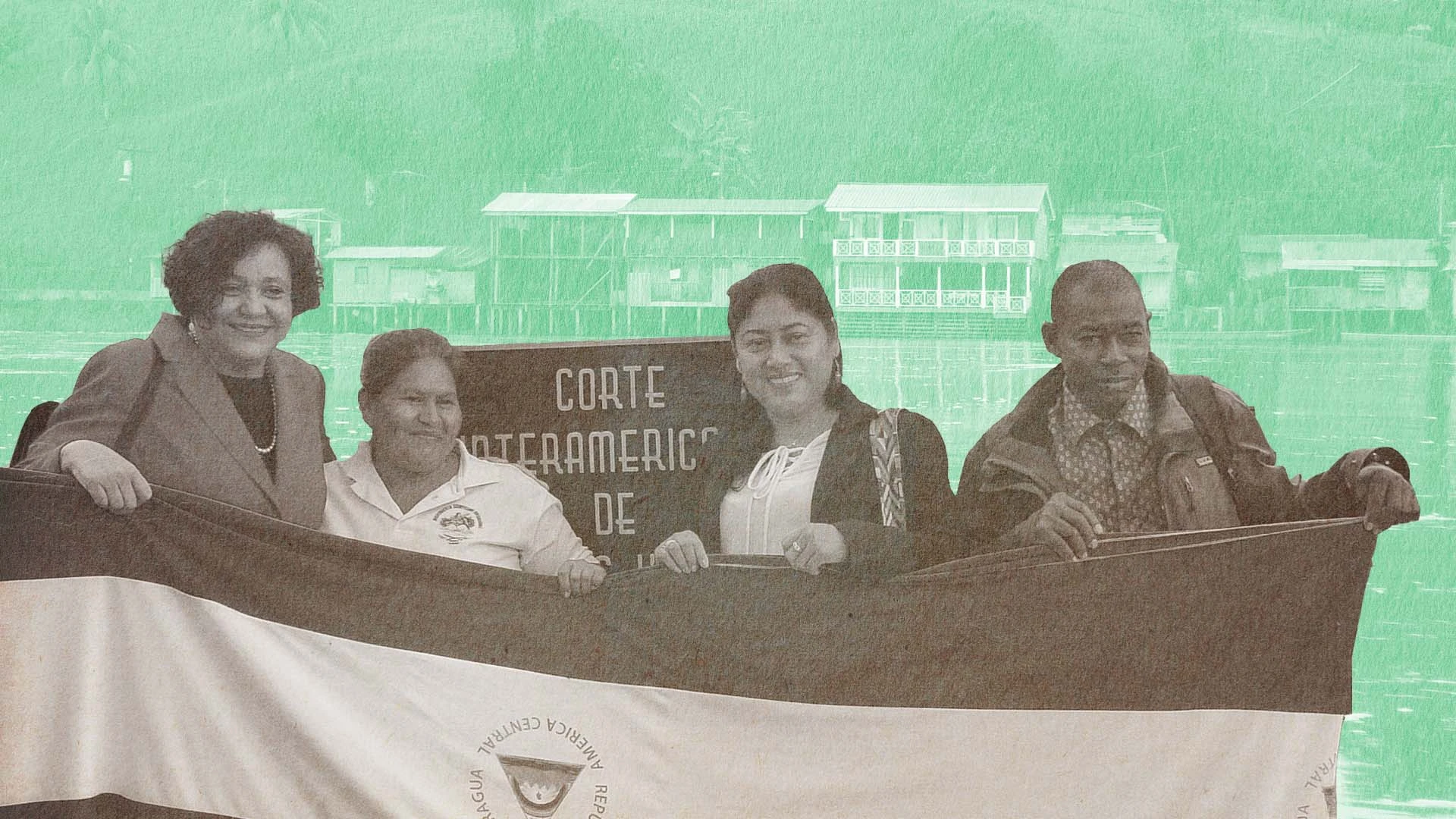
The Rama and Kriol peoples, the Monkey Point Community and the Black Creole Indigenous Community of Bluefields accuse the State of Nicaragua of violating their rights by granting the concession for the mega project "Grand Interoceanic Canal", which crosses their lands.
They accuse Nicaragua of violating their rights to self-determination, to livelihoods, to communal property, and to a healthy environment. We document and analyze the impacts and assess whether the State's actions constitute a Torture Environment.
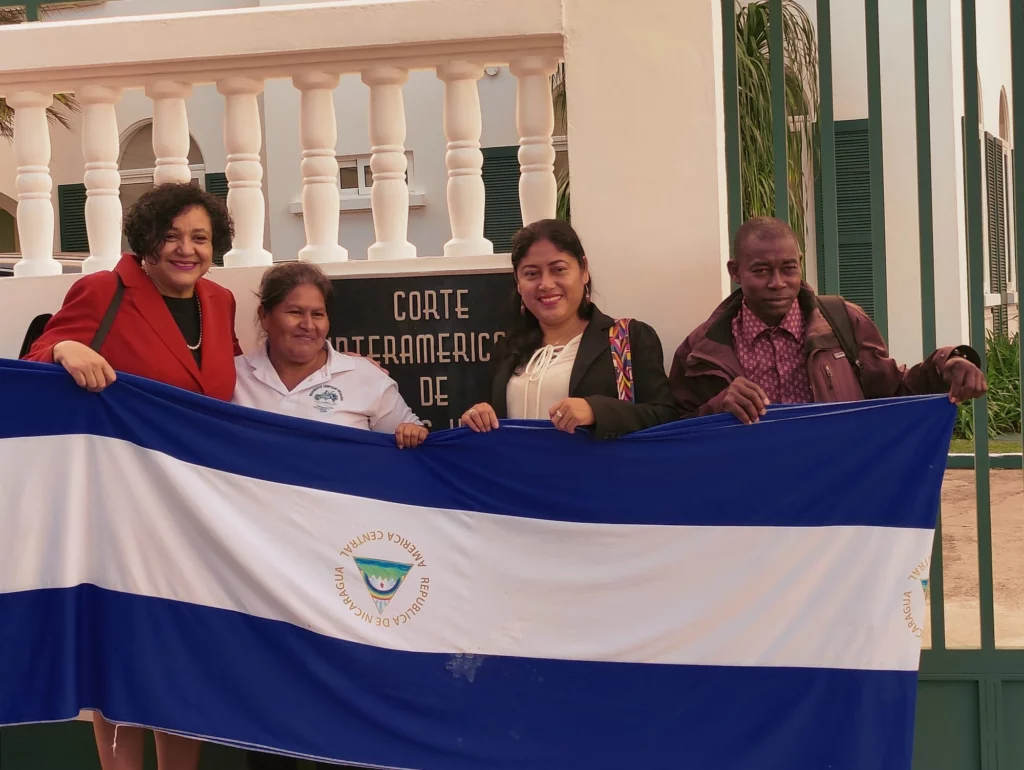
Pau Pérez Sales acted as an expert witness in the hearing of Case of the Rama and Kriol Peoples, the Monkey Point Community and the Black Creole Indigenous Community of Bluefields and its members vs. Nicaragua, before the Inter-American Court of Human Rights, In Costa Rica, communities accuse the State of violating their right to self-determination, communal property, and a healthy environment, through the construction of the "Grand Interoceanic Canal" that crosses their lands and whose construction was approved in 2013.
Both the Rama and Kriol Indigenous peoples, as well as the Black Creole Indigenous Community of Bluefields, denounce their exclusion from participating in the decision-making process for this project, despite the fact that Route 52% of the Panama Canal crosses their territories. According to the plaintiffs, the execution of this megaproject would force many of their communities to relocate from their lands, leading to the ethnic and cultural extinction of their populations.
- The Rama and Kriol people are made up of 9 indigenous communities, 6 of the Rama people and 3 of the Kriol people, including Bangkukuk Taik, which is home to the last Rama speakers in the world.
- The Black Creole Indigenous Community of Bluefields is the largest Afro-descendant community in Nicaragua.
- Its history is closely linked to indigenous communities with unique characteristics of origin and ethnicity.
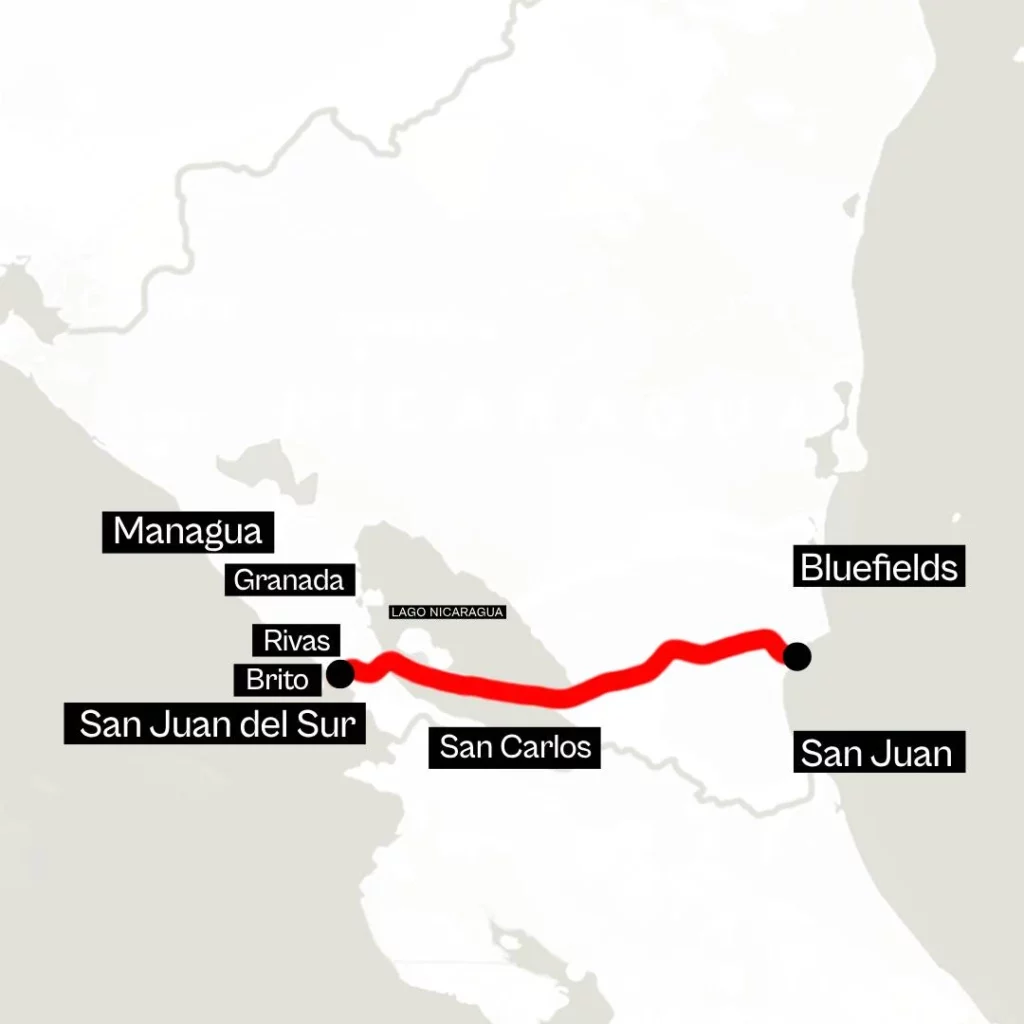
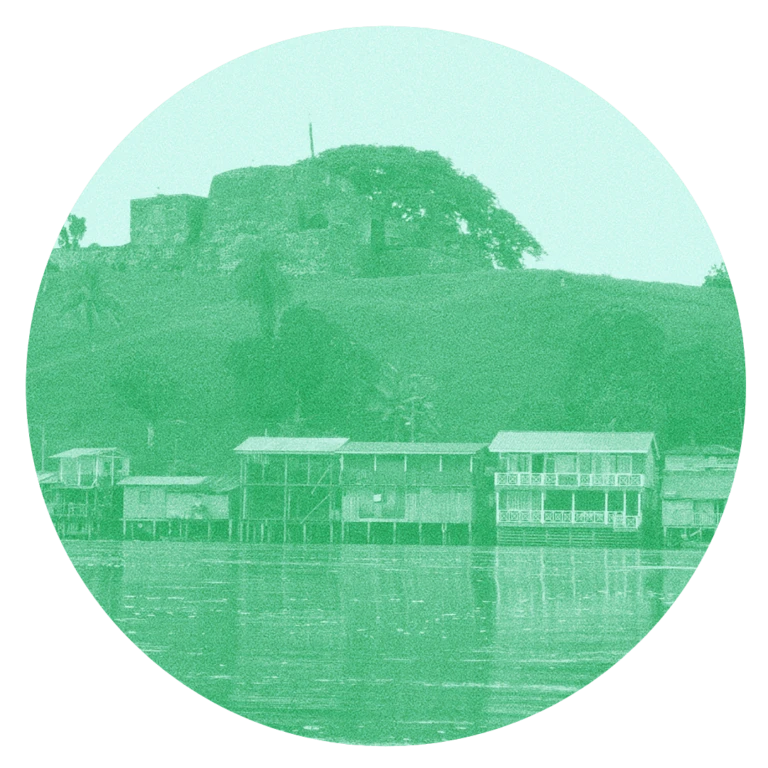
The communities accuse the government of carrying out various attacks against them over the years, including the militarization of their territory, the destruction of their heritage, and economic strangulation, all aimed at mitigating or undermining their resistance to the project. At the Sira Center, in our work as experts, we have confirmed and documented these actions, concluding that the Nicaraguan state intentionally created a torturous environment on the lands of the affected Indigenous and Afro-descendant communities to break their resistance against the Interoceanic Grand Canal project.
The State of Nicaragua has repeatedly carried out a series of actions that, taken together, cause severe suffering to the people, which, according to international law, would constitute torture. As experts, based on a literature review and interviews with community leaders, we have identified various mechanisms aimed at mitigating resistance to the Interoceanic Canal. These include the progressive militarization of the territory; the continued presence of armed settlers or paramilitary groups in the area; institutional abandonment; the destruction of the intangible heritage of the Rama and Creole peoples, as well as their natural habitat (massive logging, fires, etc.); the control of the media; and even the intimidation, blackmail, surveillance, threats, and ongoing harassment of community leaders.
Actions that constitute a Torture Environment
In addition to the destruction of the territory, all of these actions result in forced displacement, polarisation of the population, a generalised and internalised feeling of anguish, fear and terror, as well as a breakdown of trust in the state and its judicial bodies. Likewise, these actions cause the population to weaken a vital muscle for the survival of their traditions, such as a loss of identity roots, the breakdown of cohesion and leadership systems or family systems of mutual support. On the other hand, from a clinical point of view, the people who have been assessed present post-traumatic stress disorders, traumatic damage to identity and perception of the world, and symptoms of anxiety and depression, among others.
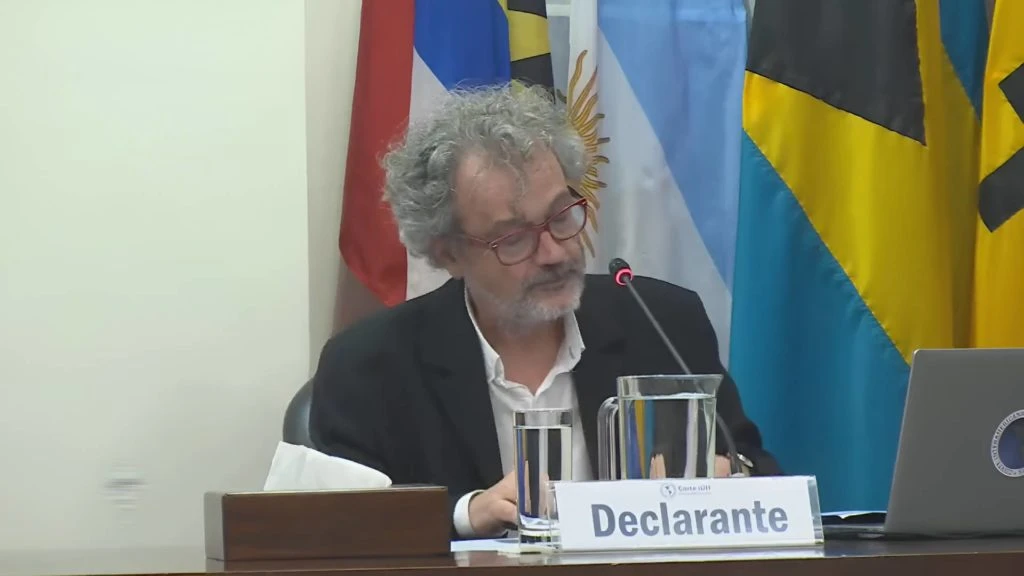
With all this evidence, Pau Pérez Sales, clinical director of the Sira Center, argued before the Inter-American Court of Human Rights that, based on the work carried out in recent months, it can be concluded that there is indeed a pattern of actions undertaken by the State with the aim of breaking the resistance to the Canal project. In this regard, based on the psychosocial, community, and individual suffering experienced by the victims, it can be verified that there is intent on the part of the State and, therefore, it can be concluded that there are sufficient grounds to consider that its actions constitute a Torture Environment.
Services
We document human rights violations and support their victims
We offer therapeutic care to people affected by political violence and prepare expert reports as an instrument of defense and denunciation.
Trajectory #5
Emil Bustamante's wife and daughters are victims of torture
The Sira Center presents an “amicus curiae” document outlining the impacts of this forced disappearance on the family, impacts that are still present more than 40 years later.