

At the request of Evelyn Recinos, the lawyer representing Emil Bustamante's wife and daughters, we filed an amicus curiae brief with the United Nations Human Rights Committee during the admissibility phase of the case. The lawyer contacted the Sira Center following the publication of a special issue of Torture Journal—of which Pau Pérez is editor-in-chief—focusing on the classification of enforced disappearance as torture.
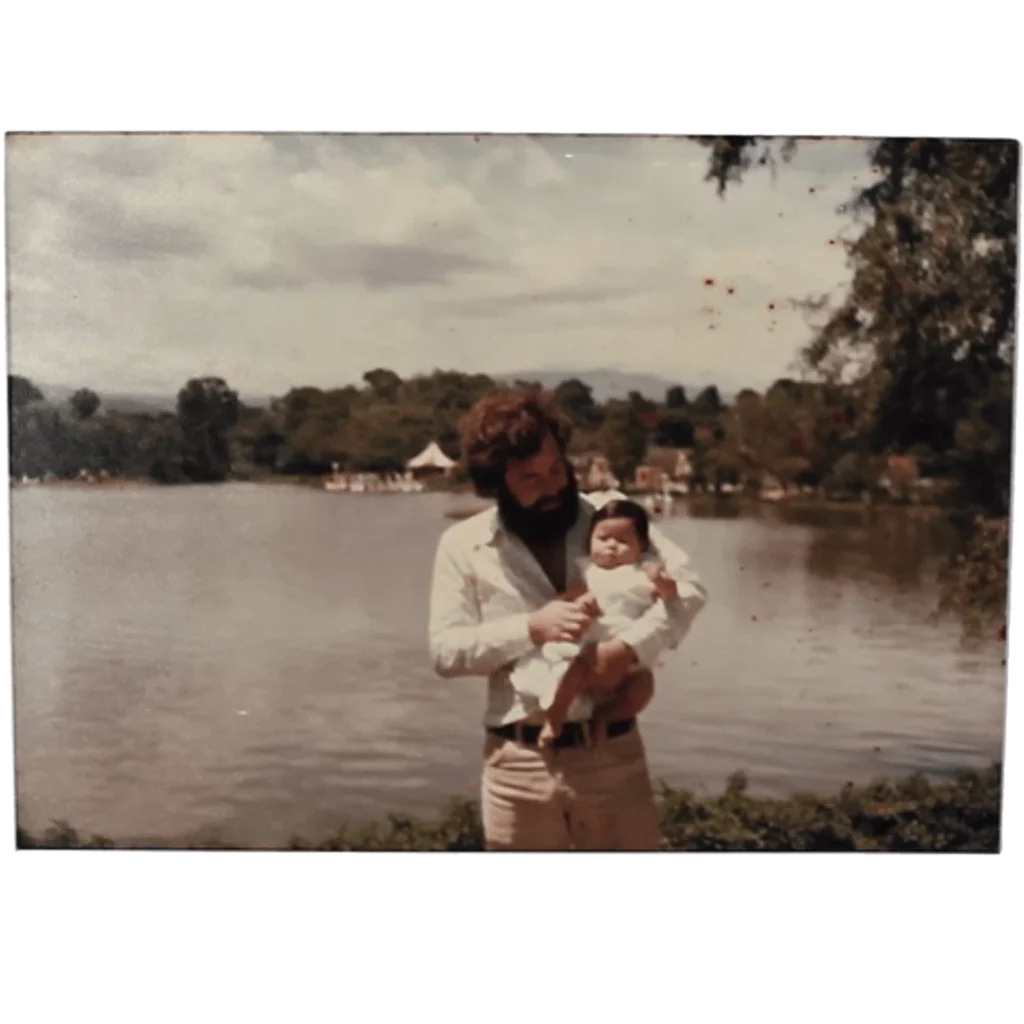
On February 13, 1982, Emil Bustamante Cruz, a 32-year-old veterinarian and rural sociologist, left his home in Guatemala City early to attend a meeting. He said goodbye to his wife, Rosa María Cruz, and told her he would be home by noon. However, he never returned.
Since the disappearance, Rosa and her two daughters, Flores Mercedes and Ana Isabel, have always suffered the silence of the judicial bodies and the State. This has meant that they have been constantly subjected to a life of suffering. retraumatization and a deepening of grief, which has worsened over time, and which has caused them moral and psychological harm. irreparable.
Added to this is the political persecution they have suffered throughout the decades for being considered "relatives of the guerrillas" or "terrorists" in Guatemala, something that has forced them to migrate and the obligation to constantly change their address for security, preventing them from building a solid life project.
Emil's disappearance falls within a systematic context of disappearances of political dissidents that took place between 1960 and 1996, during the armed conflict that the country experienced, and in which at least 40,000 enforced disappearances. This period is known as the "Genocide of the Mayan people".
This strategy not only aimed to silence political dissidents of the State, but also to punish their families and spread a message of fear in the communities, acting as a threat to anyone who wanted to go against the government.
Actions that constitute torture
According to the report's authors, Sara López Martin, legal advisor at the Sira Center, and Pau Pérez Sales, clinical director of the entity, these actions generated irreparable and prolonged psychological suffering in the family of Emil Bustamente, who, being an act deliberate, would fit within the definition of torture of the United Nations Convention.
According to the Committee, states are responsible for investigating, prosecuting, and investigating non-state actors who commit acts of torture, if they have evidence of such acts. Otherwise, they will be considered directly responsible for the crimes. Therefore, the authors argue that this logic should be applied even more strongly, given that it was precisely state actors who kidnapped Emil Bustamante.
The disappearance of the veterinarian is part of a systematic pattern of disappearances of political dissidents that took place between 1960 and 1996, during the country's armed conflict, in which at least 40,000 enforced disappearances occurred. This strategy aimed not only to silence political dissidents but also to punish their families and spread fear within communities, deterring anyone who dared to oppose the government. According to the report's authors, these actions caused significant and prolonged psychological suffering to Carlos Bustamante's family, and, given that it was an intentional act, it would fall under the United Nations Convention's definition of torture.
Enforced disappearance is torture
Enforced disappearance is a human rights violation that involves two types of victims: the direct, who suffers the violence of kidnapping, the anguish of being held in an unknown place and, in many cases, physical and psychological torture; and the hints, The families who bear the burden of not knowing what happened to their loved one, the reasons for their disappearance, or if they are still alive.
On numerous occasions, the level of anguish and suffering inflicted on family members has been considered by the medical, legal, and psychological communities to be serious enough to be equated with torture. According to research and survivor accounts, the suffering of loved ones is not only permanent but also... transgenerational. That is, it is passed down from parents to children, even involving grandchildren. Furthermore, as the report's authors point out, the impacts of enforced disappearance—fear, anguish, alertness, uncertainty, etc.—extend both within the community and throughout society as a whole.
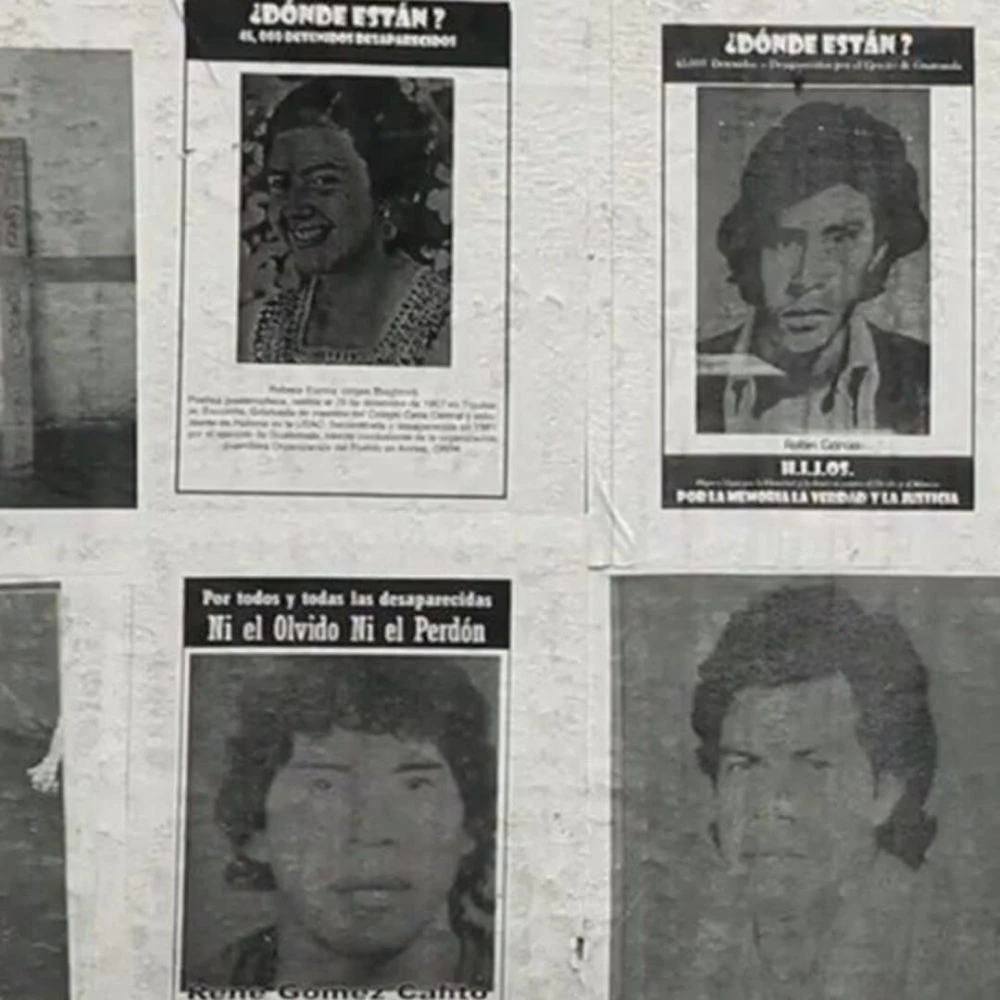
Regarding the need to recognize the suffering of families of enforced disappearances as torture, the clinical director of the Sira Center, Pau Pérez Sales, argues throughout the amicus cuariae Studies comparing the psychological and psychiatric consequences of torture victims and the families of the disappeared show more significant long-term impacts on the latter. Family members face chronic depression and symptoms of re-experiencing the trauma, while also suffering a breakdown of their fundamental beliefs about the world. The threats and withholding of information to which states subject family members result in harm such as post-traumatic stress, persistent guilt, and a profound difficulty in coping with the idea of a possible death, among other issues.
Services
We document human rights violations and support their victims
We offer therapeutic care to people affected by political violence and prepare expert reports as an instrument of defense and denunciation.
Trajectory #6
The impacts of the power outage in Cañada Real
Following an expert report, we published the report “La Cañada Responds”, where we measured the psychological, physical and community impacts of the deprivation of electricity supply in the neighborhood