
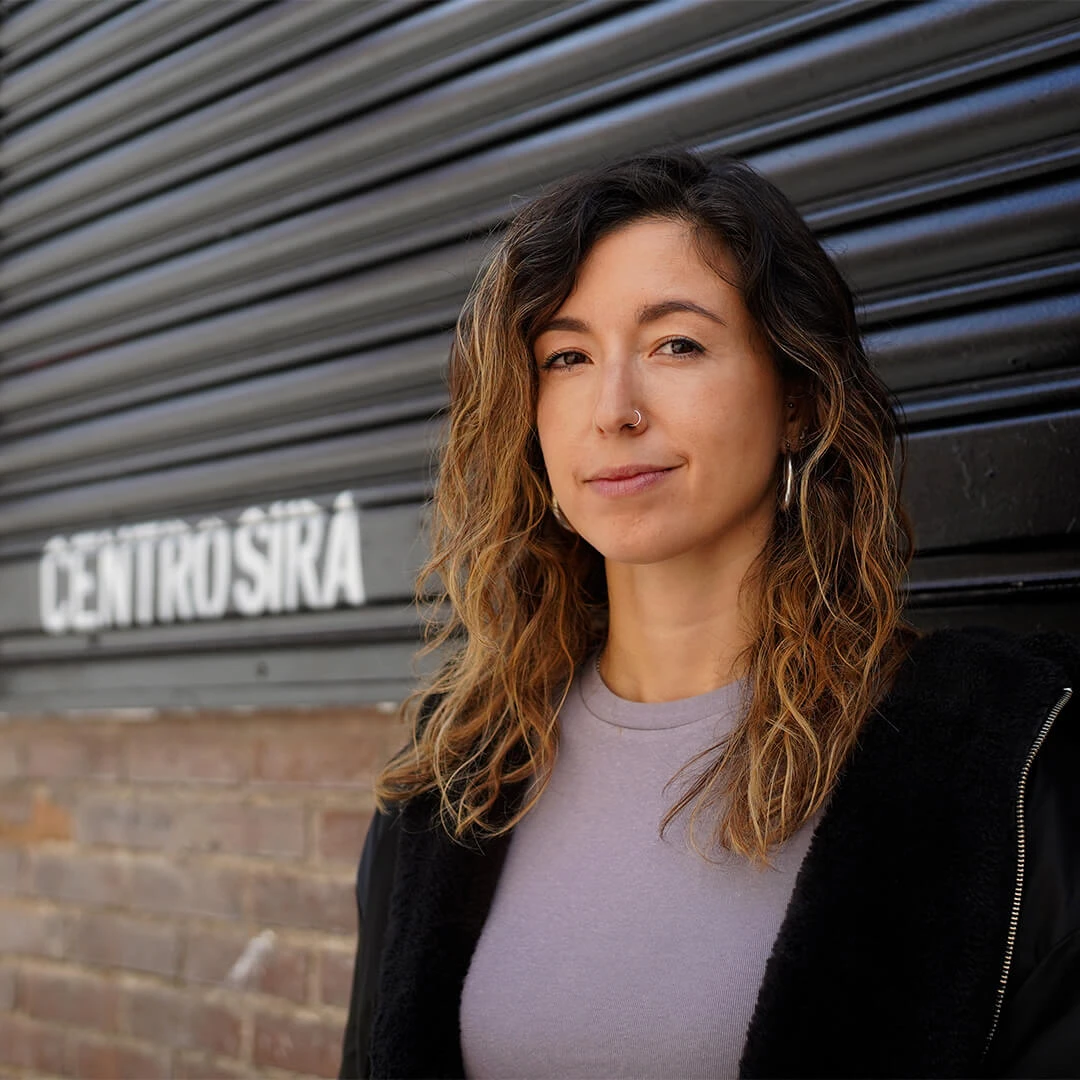
ANDREA GALÁN SANTAMARINA
Psychologist at the Sir[a] Center
It's been a year since we published together with Community Action Group the report “Labyrinths of torture. Violence and impacts on migration from Africa to Spain”After years of assisting survivors of this route, at the Sir[a] Center we decided to collect their voices in order to make visible the violence and human rights violations suffered by those who undertake this journey. From a psychosocial perspective, we wanted to show the physical and psychological impacts that these abuses leave in people. In many cases, suffering. permanent or intractable.
Through this study, we were able to verify that violence It becomes more acute as people get closer to Europe, and to observe that this acts as a coercive element that seeks to prevent migrants from undertaking or continuing their journey. African states and the European Union in particular, through their policies of externalizing borders and conditioning their aid to the poorest countries on compliance with these policies, are responsible of the suffering of those who are forced to cross through clandestine routes.
”"Spain does not offer specific support programs for organizations that work with survivors of abuse. Therefore, so many organizations have to rely on civil society or co-payments from the affected individuals themselves.".
The publication of the report served to highlight the urgent need to modify European migration policies, but also to underscore the responsibility that the Spanish State has As a signatory to the United Nations Convention against Torture, this treaty obligates member states to guarantee that all persons who have suffered torture have access to redress. This means adequate rehabilitation, including protective measures and access to basic rights. In July of this year, more than 14 civil society organizations We filed a complaint with the UN, In Geneva, the urgent need to respect human rights on the southern border was highlighted, as well as the state's obligation to provide specialized public services for the rehabilitation of torture victims. Currently, Spain does not offer specific support lines. to the organizations that work with survivors of abuse. That's why so many of us have to rely on civil society or co-payments from the affected individuals themselves.
In the midst of this panorama, we often forget the small victories and projects that inspire us to keep working and that push us not to resign ourselves to injustice. Just two weeks ago, at Sir[a], we opened the doors of the “Quiet Space” for the first time and rediscovered that much-needed feeling. This initiative seeks to consolidate a network of mutual support For migrant survivors of torture and ill-treatment, support should contribute to their psychological well-being and address their specific needs. Despite the pain of witnessing the continued and worsening of extreme violence each day, looking back and seeing all the progress we, as civil society, can make in containing and minimizing the impact offers light and hope. It reminds us that not everything is dark..
”Despite the pain of witnessing the continued and worsening of extreme violence each day, looking back and seeing all the progress we, as civil society, can make in containing and minimizing its impact brings light and hope. It reminds us that not everything is dark.”.
Andrea Galán
Psychologist at the Sir[a] Center