

Silence is part of the daily lives of the people we work with. An outward silence that, conversely, is often a deafening inward noise that exhausts.
PAU PÉREZ SALES
Clinical Director of the Sir[a] Centre
Silence is part of the daily lives of the people we work with.. An outward silence that is, instead, often, a noise thunderous inwardly exhausting, made of nameless shadows, because to name them you have to give them a face and because giving them a face is to give them a letter of reality.
We often ask ourselves the reason for this silence. Judges, administrative staff, and social services ask this question, often interpreting the soul's silences as the missteps of someone who lies.
”"And we think it should be easy to share what we've been through if it's true that it will bring relief. But talking about it is sometimes almost as traumatic as doing it.".
And we think it should be easy to share what we've experienced if it's true that it will bring relief. But talking about it is sometimes almost as traumatic as doing it.. It had Semprún in Scripture or Life Upon leaving the concentration camp where he had spent the last two years, he encountered three French soldiers on a path near the camp. As he approached, he observed how their expressions transformed into a mixture of horror, disbelief, and compassion. How can I describe – Semprún reflected – the smell of the chimneys of the concentration camp to someone who has never been close to that reality?.It is the invisible wall of the victim that turns reality into the "us" of the victims and the "them"—those who cannot understand—of the rest of the world. It is the crossroads for those of us who will never be able to understand the smell of the chimneys of Palestine, besieged these days by rites of revenge that are said to be sacred.
The trauma itself is silenced, which is the first of the silences. The trauma of having lived through imminent death, the uncontrollable fear, the helplessness and the absolute loss of control, the traumatic images and the experiences of shame, humiliation and guilt.
The pressures of speaking silence the need to speak, And they are the second silence. The difficulty of legal processes, often in a country and culture that are not your own, silences the lack of economic means to sustain them – how much does a private expert report cost in our societies that profit from everything? What forensic experts in a court will listen with the time and respect that torture victims need? But above all, how much time and energy can a person dedicate to this entire process when they have to focus their efforts on immediate survival?
They silence attitudes Those who listen to the pain with a routine air and a skeptical gaze, normalizing the violence, minimizing the gravity of the events, or comparing it to that of other victims, as if suffering could be gradated. How many victims remain silent because—in their understanding—they didn't suffer as much as others, and in that survivor's shame, they minimize their story and obscure the events they have lived through.
They silence the absence of legal safeguards, The documentation was done without respect for minimum guarantees, violating principles of independence of medical professionals, with forensic documentation of poor quality and legal value.
But they also silence them self-censorship, not wanting to hurt the family members, trying to prevent what was experienced as humiliation from now also being a shared detriment. Avoid compassion.
For most of the survivorsThe account of what happened and the emotions and thoughts it entails requires time, the lapse until "the moment when it is possible to tell" arrives, when the ruminations finally yield the harvest of the story, however fragmented it may be.
And it provokes silence conviction, often irreducible, and unfortunately, too often true, regarding the impunity of the perpetrator and those who protect and cover him up, with a clear awareness of the difference between the power and status of some and the vulnerabilities and stigma of others.
Why the silence? For many survivors, the real question is: Why talk?
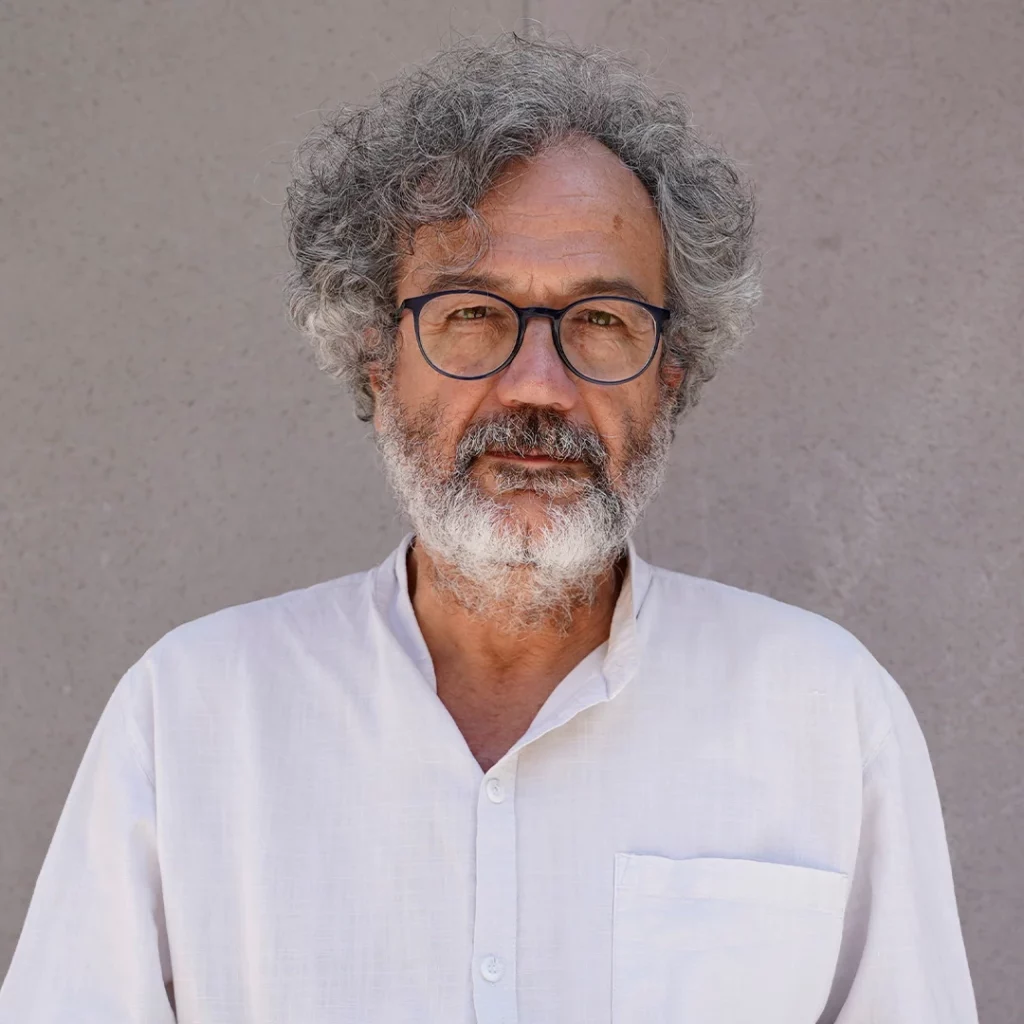
”We often wonder why this silence exists. Judges, administrative staff, and social services ask this question, often interpreting the soul's silence as the missteps of someone who is lying.”.
Pau Pérez Sales
Clinical Director of the Sir[a] Centre