In a discussion with Teo Bondyale, secretary of the Federation of African Associations in the Canary Islands, Marisa Amaro de Geum Dodou denounced the treatment and uncertainty to which the people received at Frontera Sur are subjected.
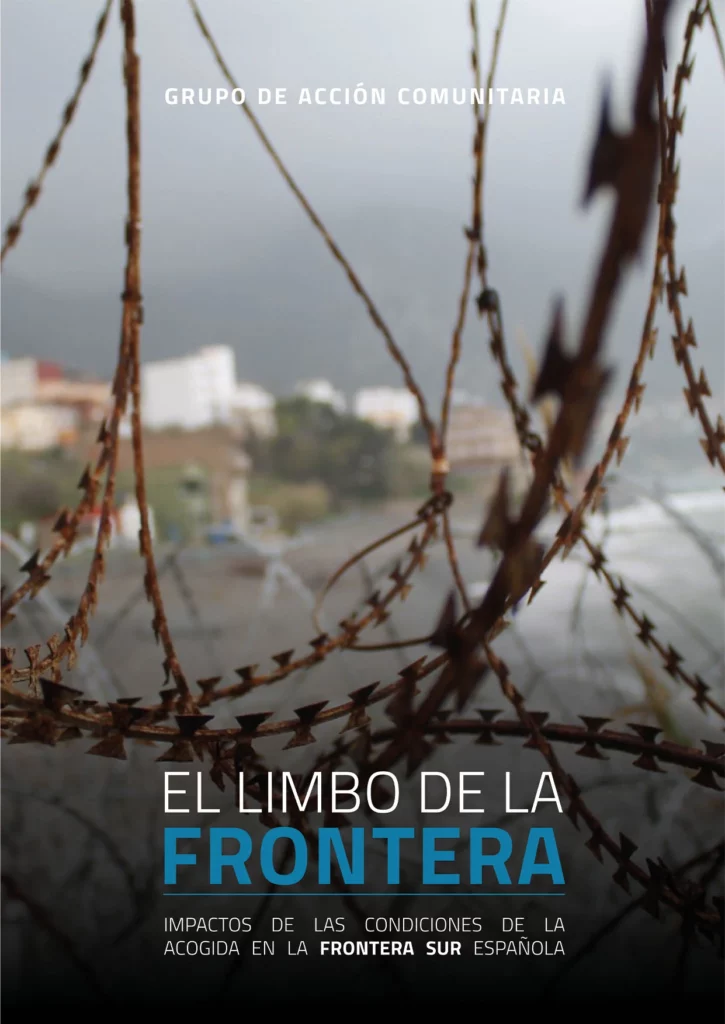
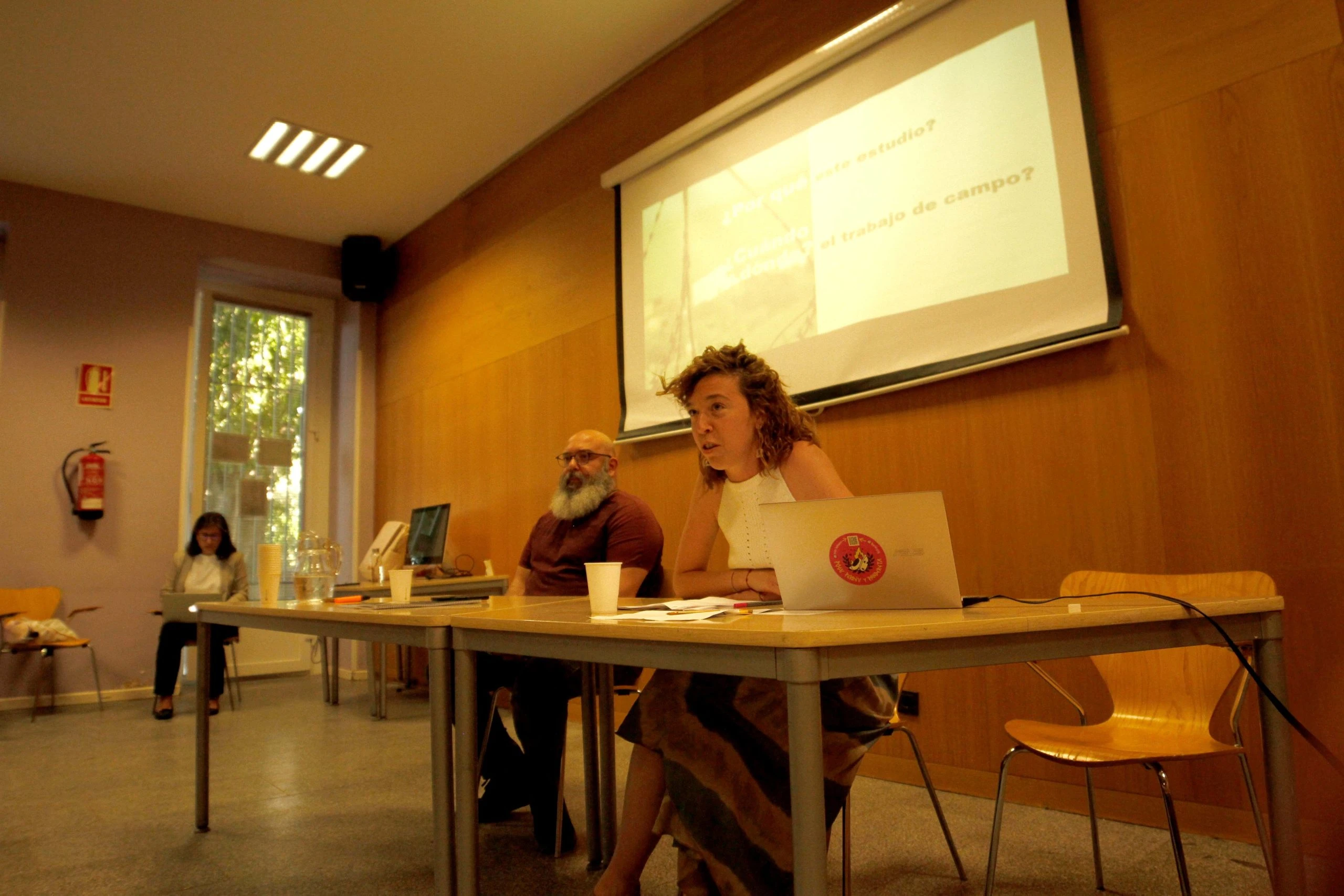
The dialogue took place during the presentation of the report “El limbo de la Frontera”, prepared by the GAC and Centro Sira, which analyses the impacts of reception in Melilla and the Canary Islands.
Naturally, the Tragedy of Melilla was very present throughout the presentation of the report. “El Limbo de la Frontera: Impacts of reception conditions on the Spanish Southern Border”.”, which took place on 27 June. According to the testimony of Marisa Amaro from the Geum Dodou Association of Melilla, dozens of relatives and colleagues have been trying to contact their association over the last few days to check whether among the 133 survivors of the tragedy of Melilla their loved ones. This is a situation of absolute opacity, to which civil society associations, as well as those affected and their families, are demanding a response. According to various ngos, up to 37 people lost their lives.
At a table moderated by lawyer Patricia Fernández Vicens, from the Asociación Coordinadora de Barrios, Marisa Amaro was present at the event telematically together with Teo Bondyale, secretary of the Federation of African Associations in the Canary Islands (FAAC). Both speakers insisted on the obligation to guarantee dignified accompaniment for migrants and listed the different violations they have witnessed. They denounced the fact that the process of reception puts people in total isolation. uncertainty, They also point out that they do not receive any information about when they will be able to leave the reception facilities; they also point to shortcomings in the health care and a total lack of guidance on the protocols and standards to be followed in detention centres.
On how to ensure a accompaniment Marisa Amaro points out that it is necessary to work in a holistic manner. In her experience, she says, she has seen that there are some demands that can be verbalised and others that cannot. In order to reach the latter, it is necessary to generate a climate of trust, in which people can feel listened to, cared for and accompanied.
“
We have to have the political will to welcome them as human beings. Not as a thing, not as a nuisance. Not as something that bothers me and we have to welcome them because they are looking at us.
For his part, Teo Bondyale stressed the need to urgent to reorient the institutional understanding of what is meant by the term “.“welcome”The report also states that, far from being interpreted as a right, it is used as a charitable measure, which does not guarantee the health, let alone the recognition of people on the move. As he points out, “reception has nothing to do with collection. If you are going to take in someone, you have to know where you are going to keep them. If you are going to «pick up», it doesn't matter”. For the secretary of FAAC, there is a total dehumanisation of people trying to cross the Southern Border: “We have to have the political will to welcome them as human beings. Not as a thing, not as a nuisance. Not as something that bothers me and we should welcome them because they are looking at us”.
To conclude, the three speakers insisted on the need to guarantee the right to migrate and, with this, to receive a dignified, comprehensive, hospitable and humane reception. In this respect, Patricia Fernández concluded that it is important to demand answers from the authorities, so that “never again will we have people in facilities financed with public money who we do not know if they are alive or dead”. For the lawyer, it is important to move towards policies that guarantee the right to citizenship: “to be and to form part of the society in which you live and to which you are called to belong”.
The limbo of the border: impacts of reception conditions on the Spanish Southern Border
Reception conditions in Frontera Sur aggravate the psychological suffering of migrants arriving in Spain. We analyse the impact of reception conditions. We identify fear, anguish and attacks on their dignity and identity.