
With these, there are now five lawsuits filed by those who suffered reprisals during the dictatorship, following the approval of the new Law of Democratic Memory.
The Coordinadora Estatal de Apoyo a la Querella Argentina (CEAQUA) presented yesterday, 21 February, four new complaints of torture at the hands of police officers during Franco's regime, between 1972 and 1975. The complainants denounce the murder of Moncho Reboiras in 1975, in Galicia, at the hands of the police, and the torture of Vicent Alminyana in Valencia, in 1972, and of Julio Pacheco, in 1975, in Madrid. Likewise, crimes of torture and sexual violence were reported against Concepción Edo in 1973, in Pamplona.
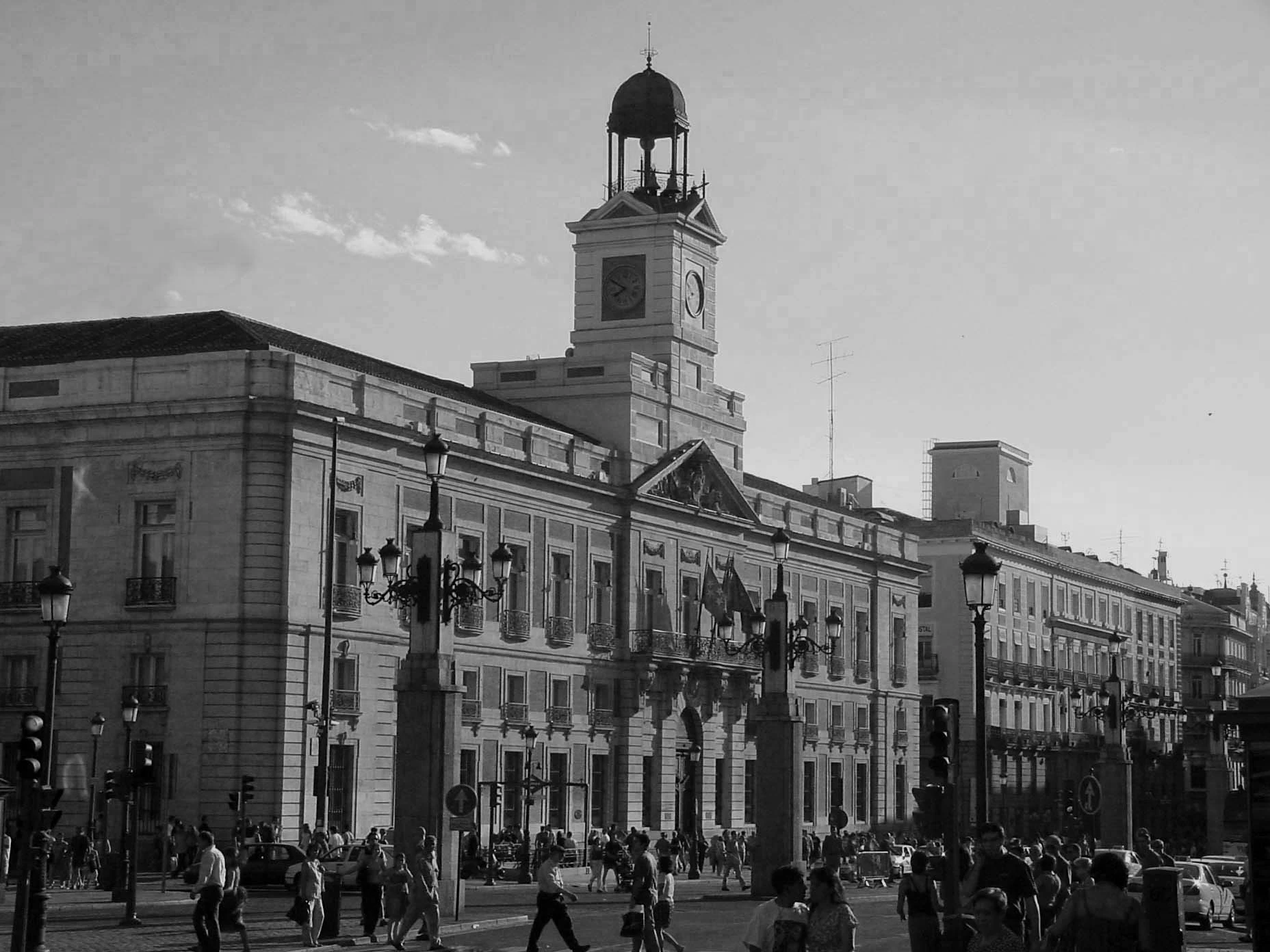
From the Sir[a] Centre, we contributed to the case an expert report in which we documented the impacts of the complainant Julio Pacheco Yepes, who was tortured in the building of the General Directorate of Security (DGS), in Puerta del Sol, and later transferred to prison. Julio was arrested at the age of 19 at his home, being a Communist Party militant and member of the FRAP (Frente Revolucionario Antifascista y Patriota) and was tortured for 7 consecutive days by the Brigada Político Social (Political and Social Brigade). Among the police officers who participated in these humiliations, the complainant identifies the former commissioner of the National Police Corps, José Manuel Villarejo, and recalls having been under interrogation by Juan Antonio González Pacheco, alias “Billy the Kid”. His testimony, which we have recovered almost 50 years after the events, shows how torture leaves an indelible mark on those who suffer it.
The building of the General Directorate of Security, which today houses the headquarters of the government of the Community of Madrid, was used during the dictatorship as a detention and torture centre.
There are already 5 complaints after the approval of the Law of Historical Memory.
These four new complaints join the one filed in Barcelona by former trade unionist Carles Vallejo, which was the first complaint in Spain for Francoist crimes, following the implementation of the new Law of Democratic Memory. Carles, whose expert opinion was also carried out by the Sir[a] Centre, He pointed to six Francoist police officers as responsible for the crimes of torture he suffered during the dictatorship.
Without counting any of these new complaints, CEAQUA has counted more than 80 complaints filed to date for torture during Franco's regime, all of which have been shelved. The organisations linked to the struggle for memory hope that the new law will serve to halt this trend and provide a response in accordance with the rights of the people affected, that it will put a stop to the impunity of Francoism and that it will guarantee truth, justice, reparation and the right to non-repetition for the victims.