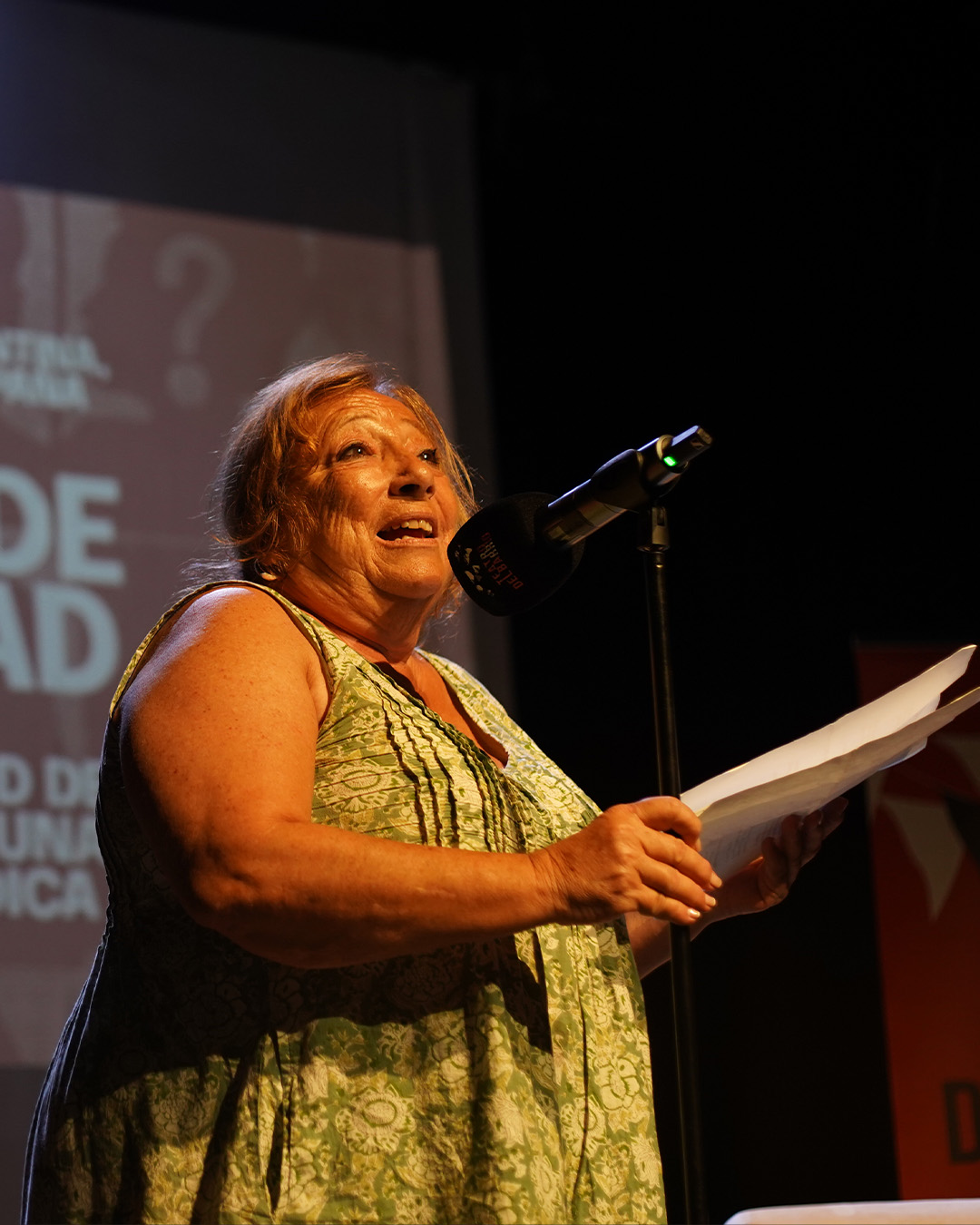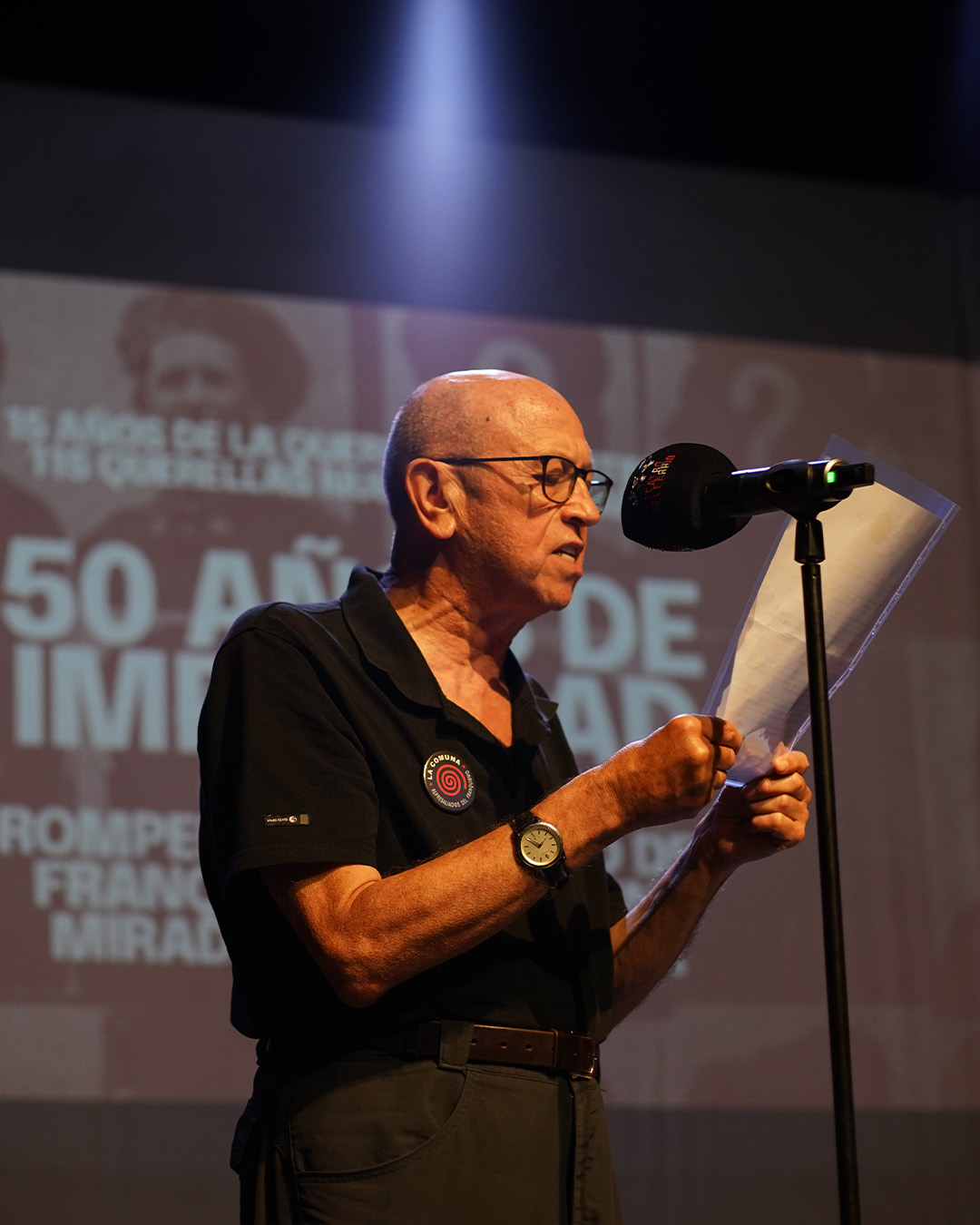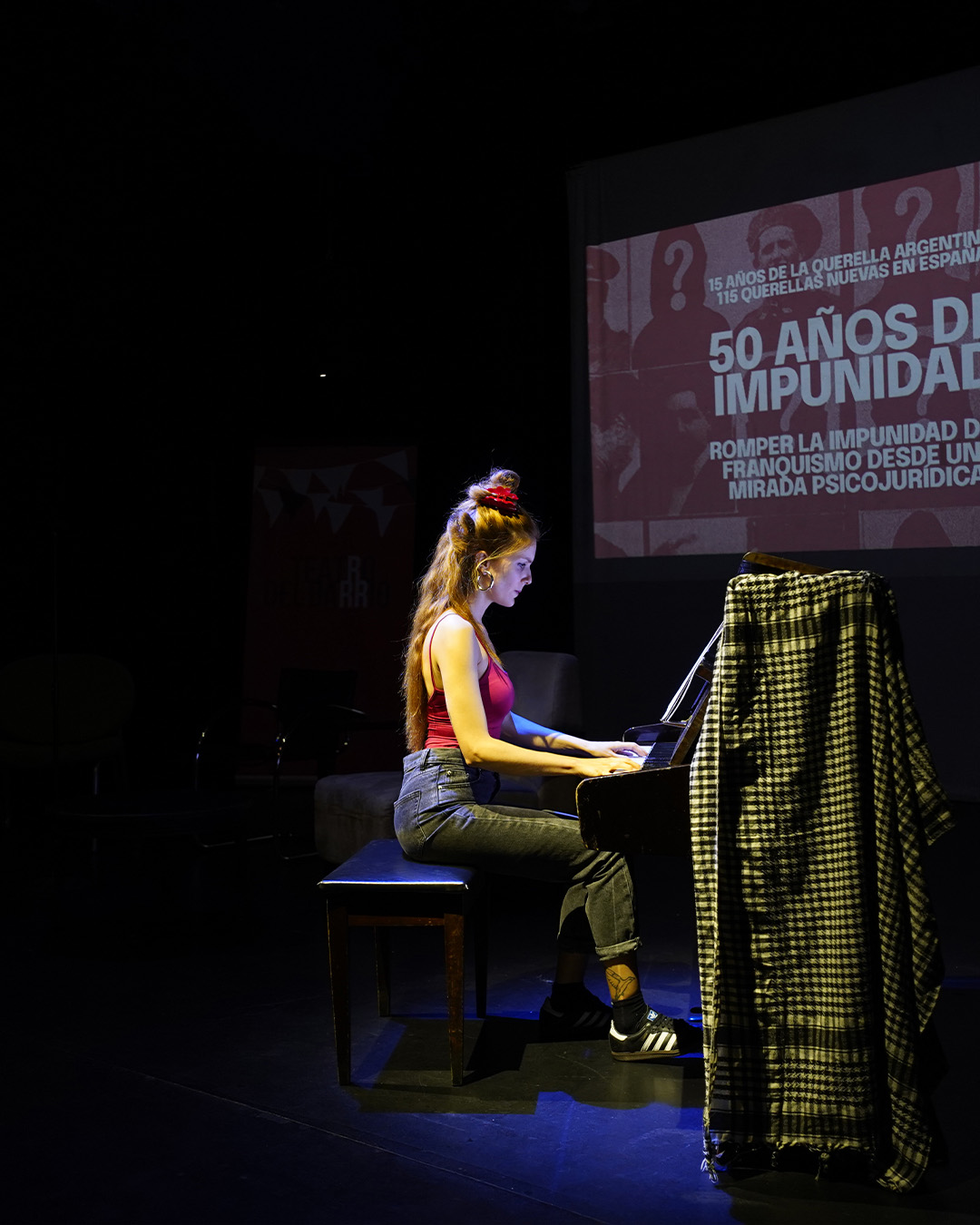
On the eve of the International Day in Support of Victims of Torture, the Sira Centre and La Comuna Presxs are organising the event “50 years of impunity”, a day to look back and analyse the consequences of half a century without justice for the victims of Franco's regime.
Fifty years after the death of Francisco Franco, the crimes committed during the dictatorship remain unprosecuted. Murders, forced disappearances, torture, exile, sexual and gender repression, baby-stealing and other systematic human rights violations remain unpunished.
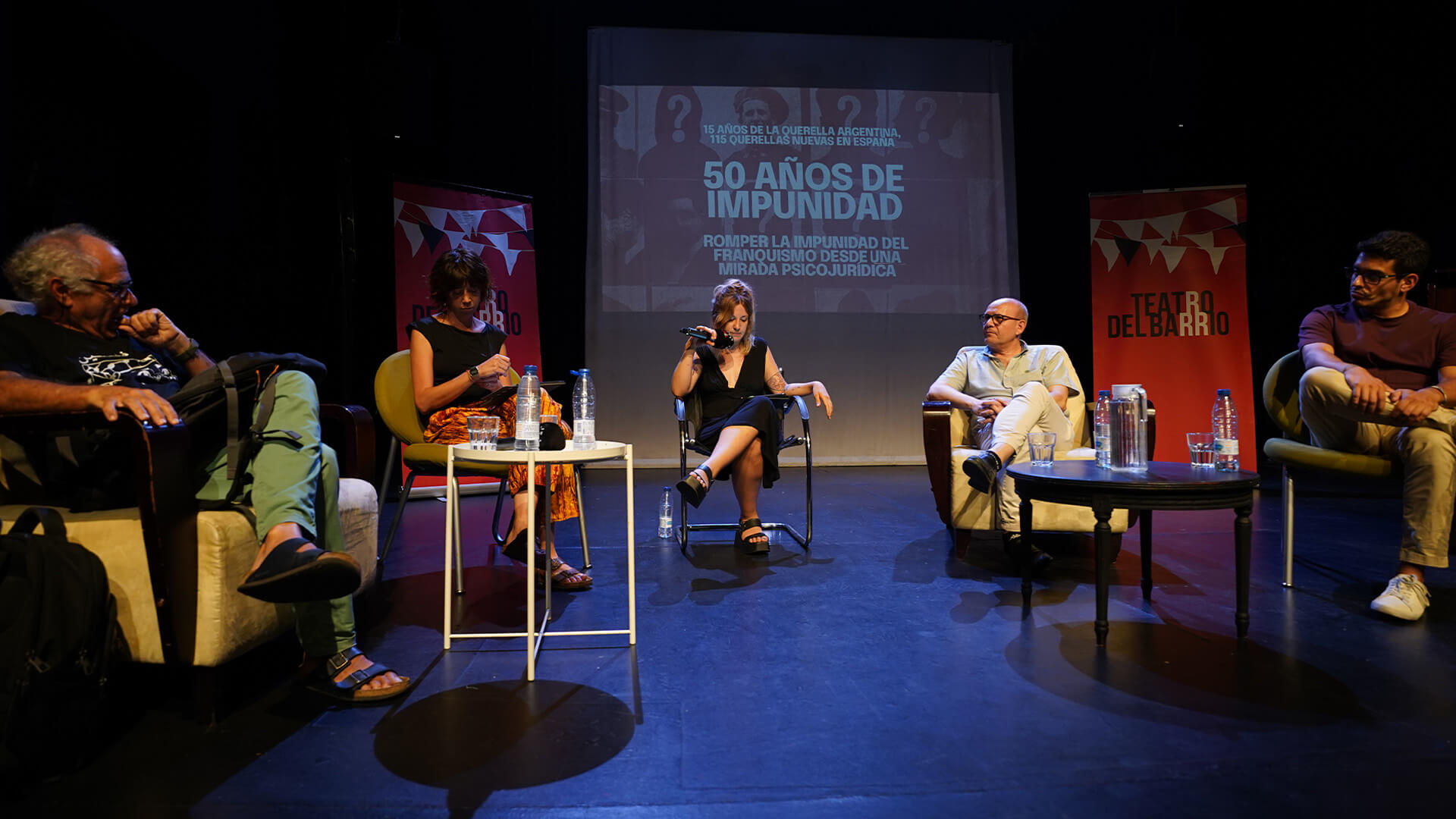
On the occasion of the International Day in Support of Victims of Torture, on Tuesday, 24 June, the Teatro del Barrio the event “50 years of impunity”, organized by The Prisoners' Commune and the Sira Centre, with the aim of making the persistence of this injustice visible and reinforcing the demand for truth, justice, reparation and guarantees of non-repetition for the victims.
Through the round table “Breaking the impunity of Francoism from a psycho-legal perspective”.”, moderated by Paula Pof, from Peat Agency, experts from the legal, psychological and social fields reflected on the open wounds left by impunity and the pending challenges to build a real democratic memory.
Following the presentation of more than 115 complaints throughout Spain, Jacinto Lara, The Coordinadora Estatal de Apoyo a la Querella Argentina (State Coordinating Committee in Support of the Argentinean Complaint) (CEAQUA), stressed that, thanks to the impetus of memorialist organisations and civil society, “something is moving” in terms of memory and justice. In Spain, up to six causes related to Francoist crimes, a development that seemed unthinkable only a few years ago.
Lara celebrated the imputation of Rodolfo Martín Villa -minister of Trade Union Relations during the dictatorship- and of Daniel Aroca, a member of the Armed Police, for their alleged link to the death of Teófilo del Valle. In addition, he underlined the historical relevance of the fact that, in May 2023, for the first time a Spanish court will take a statement from a victim and a witness of torture during Franco's regime: Julio Pacheco and Rosa García. “We are talking about court rulings that, to date, are still exceptional, but we have to keep moving forward,” he said.
Carlos Serrano, of The Prisoners' Commune, The admission of the lawsuits as “a very strong oxygen balloon” after so many years of effort. “For us, the lawsuits are a fundamental political tool in the fight against the impunity of Francoism,” he said. However, he warned that, despite the advances in the dissemination of democratic memory and social mobilisation, there is still a latent threat from conservative governments, who put these achievements at risk and question the meaning of history. In this sense, Daniel Canales, of Amnesty International, He pointed out that there is currently a kind of idealisation of the Franco regime, which can be explained “by the fact that the state has not implemented a decisive policy to establish the truth about this dark period of our past”.
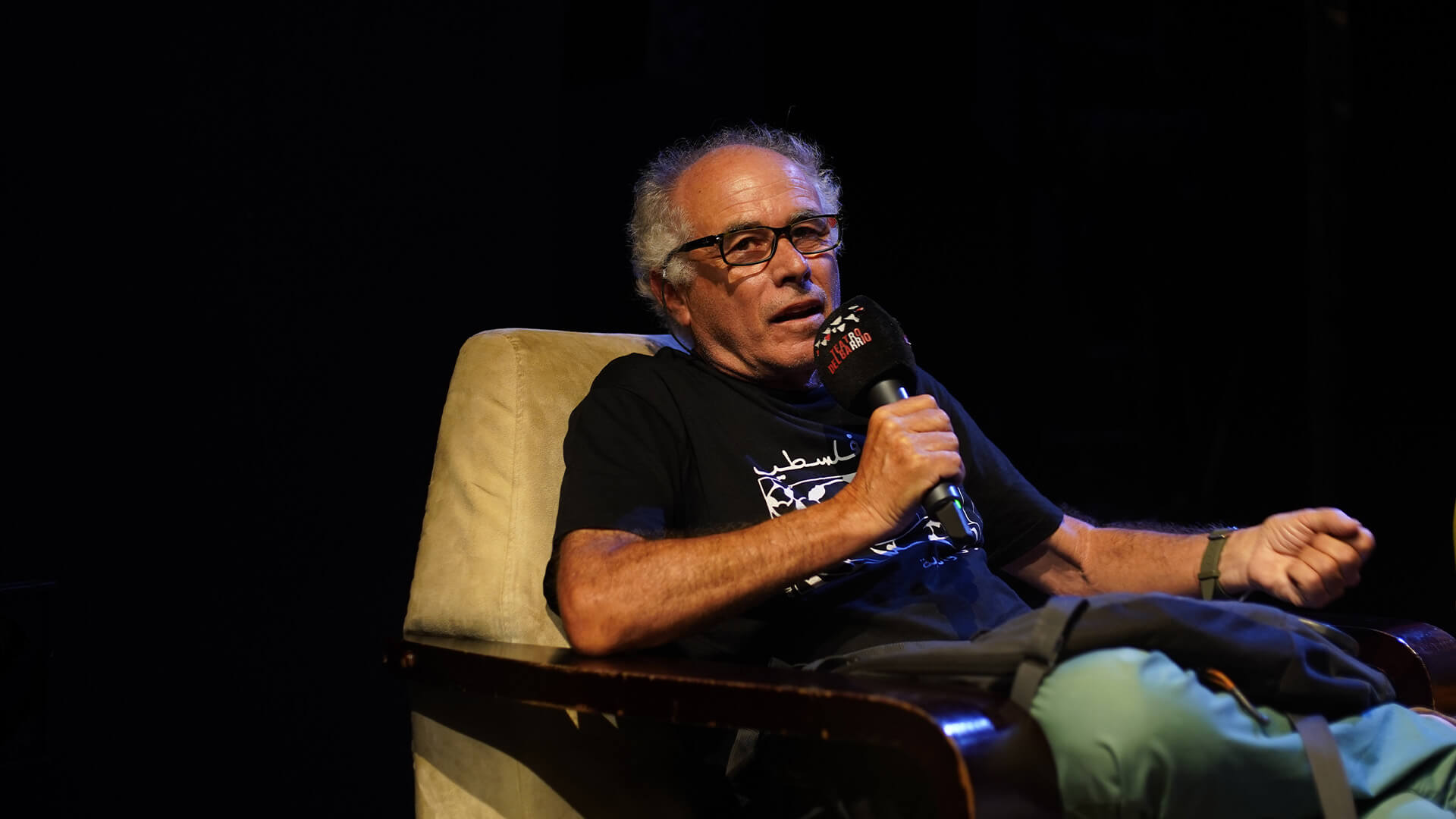
Argentina's lawsuit as a tool against impunity
One of the central themes of the event was the Argentinian complaint, The international judicial case that since 2010 has been investigating crimes against humanity committed during the Franco dictatorship and the transition to democracy. More than fifteen years after its initial momentum, this process continues to be a key avenue for victims who have not yet found justice in Spain. Currently, 13 people are still alive and charged in this case, among them the former minister during the dictatorship, Rodolfo Martín Villa.
The speakers agreed in highlighting the symbolic and legal effectiveness of the lawsuit, not only because of the judicial advances achieved, but also because of its capacity to put the Spanish state under judicial, legislative and social tension. “All this journey has served to educate, to put on the table the fact that the fight against impunity is absolutely essential”, affirmed the speakers. Jacinto Lara.
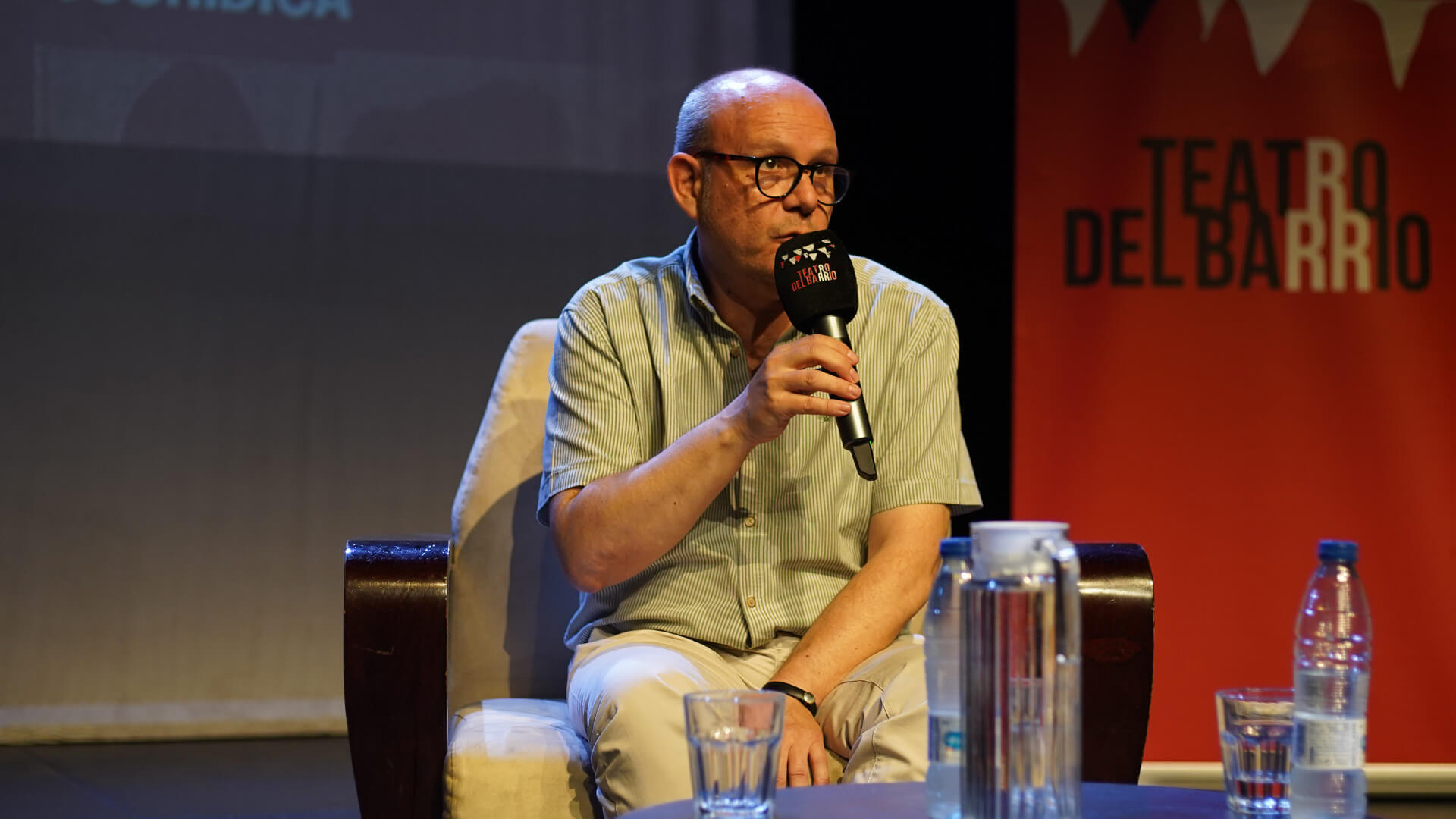
The impacts of torture during the Franco dictatorship
Another key focus of the conference was the analysis of the psychological and physical impacts of Franco's repression. Since 2017, the Sira Centre has drawn up expert reports on more than 26 cases of torture that occurred during the dictatorship, applying the Istanbul Protocol as an evaluation tool. For this reason, on behalf of the organisation, the psychologist Gabriela López Neyra travelled to Buenos Aires to provide new expert evidence in the framework of the Argentinean lawsuit. The CEAQUA delegation thus sought to reinforce the judicial proceedings with new elements that would allow the charges against those responsible for the regime to move forward.
During his speech, López shared some of the conclusions drawn from the reports, underlining that most of the people assessed had between 18 and 26 years old at the time of their arrest. Many of them were students and had their personal and academic careers interrupted. Documented torture techniques included beatings, death threats, mock executions, sensory deprivation and systematic attacks on personal identity. According to the data collected, 90 % of the victims report having been subjected to humiliating acts, 70 % to shame-inducing practices, and 80 % describe the period of detention as “a physical and psychological battle against his own body”.”.
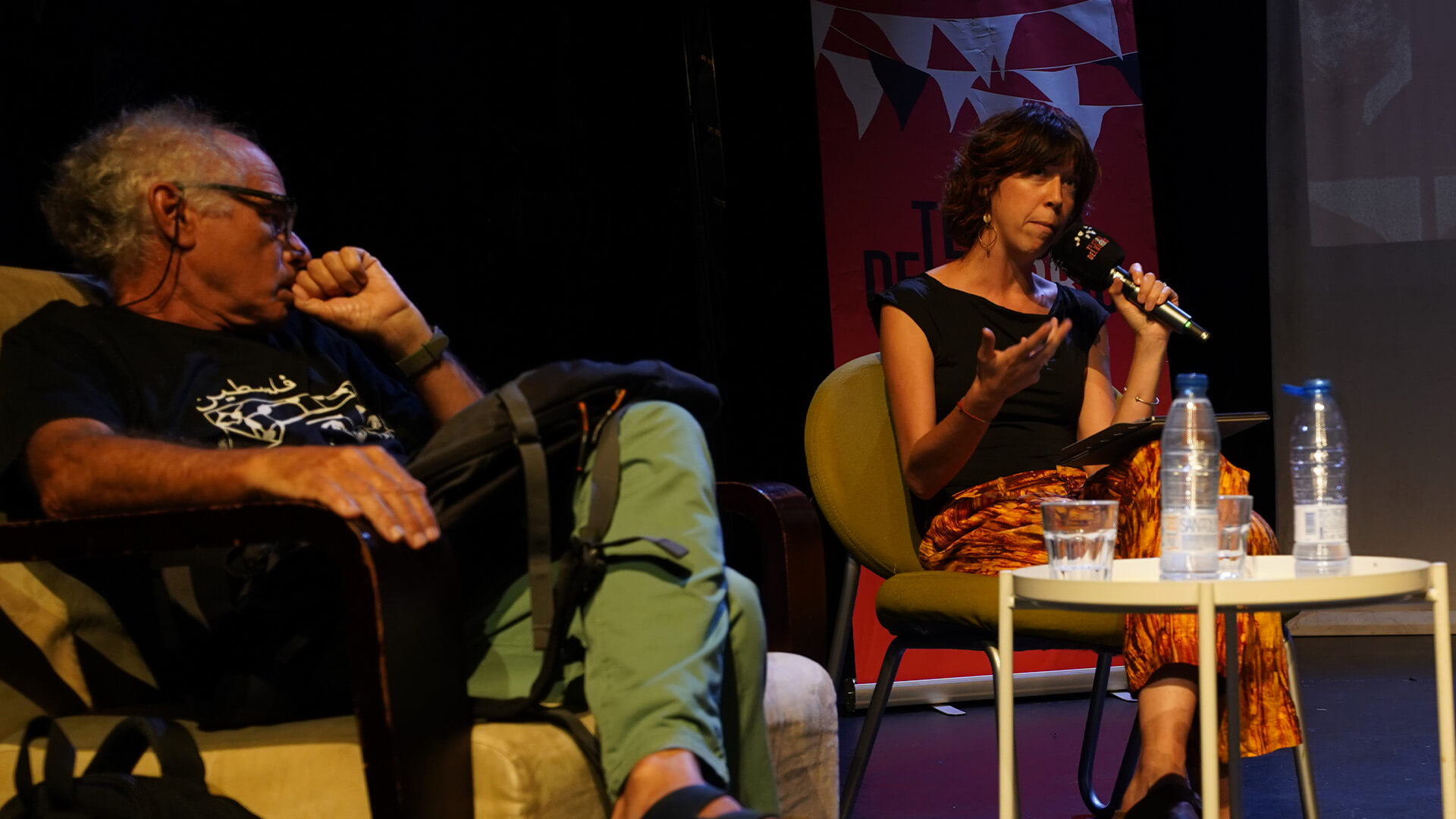
Obstacles and challenges in the fight against impunity
The round table concluded with a collective reflection on the main issues of the obstacles facing organisations and movements fighting against the impunity of Franco's regime. The speakers agreed that, despite the progress made, significant institutional resistance and structural challenges persist.
One of the most relevant aspects pointed out in the closing session of the roundtable was the weakening of the international human rights system, which seriously limits the capacity to exert judicial and political pressure on states. “We are witnessing a televised genocide which international law is demonstrating being unable to avoid. Today, it is a challenge to continue to argue that compliance with international law is an obligation for states,” he warned. Daniel Canales, of Amnesty International. In this context, he also underlined the Spanish state's unwillingness to implement the recommendations of international bodies and to make progress in judicial investigations into the crimes committed during Franco's regime.
The lack of sustained and massive social mobilisation was also highlighted, although advances in collective awareness were acknowledged. “It is an obstacle that is costing us, but I believe that with time we are going to achieve it,” he said. Carlos Serrano, of La Comuna Presxs. “By coming together, I believe we can break down the wall of impunity, concluded.